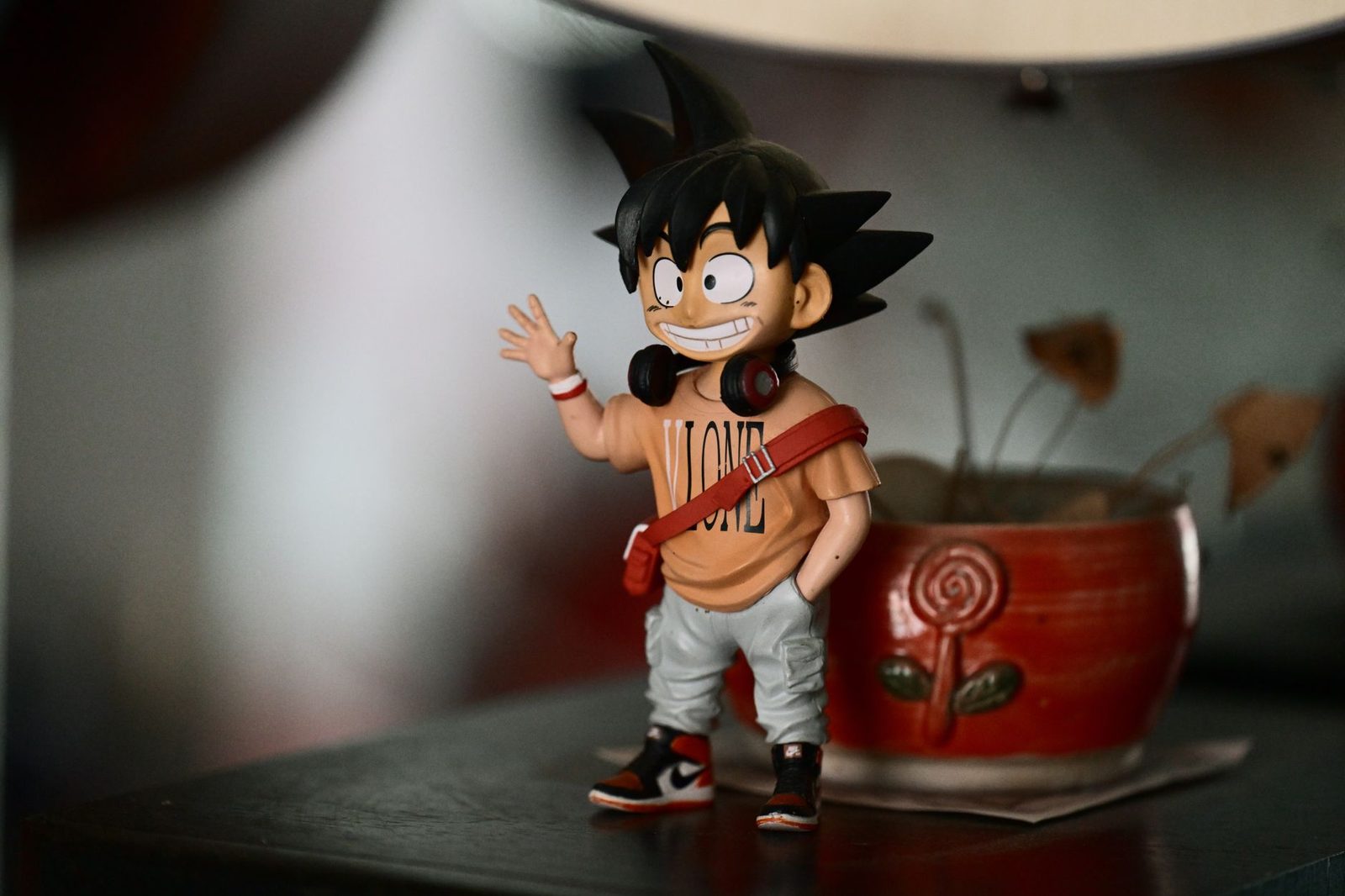
Animation is not one craft. It is many crafts wearing the same name. When people ask about animation styles, they usually mean the different ways artists make still images move. Each style has its own tools, its own history, and its own look on screen.
This guide breaks down the four major approaches: 2D animation, 3D or CGI animation, stop-motion, and rotoscoping. You will see how each one works behind the scenes. You will also see where you have already watched these techniques without knowing their names.
Think of this as a map, not a deep dive into any single country. Later guides in this series will zoom into anime genres, the rise of CGI in film, and how frame rate shapes the feel of motion. For now, let's build the foundation.
The Building Blocks of Animation Styles

Before comparing animation styles, it helps to know what they all share. Animation is the illusion of movement made from a series of still pictures shown quickly. Your eye and brain blend these images into motion. This basic trick is called persistence of vision.
Every animation style depends on frame rate. A frame is one single image. Frame rate is how many of those images play per second. Most animated films use 24 frames per second, matching the standard for live-action movies. Some shows use fewer unique drawings and repeat frames to save time and cost. This practice is common in television animation with tighter budgets.
Frame rate affects how motion feels. Higher frame rates often look smoother and more lifelike. Lower frame rates can feel choppier, but that choppiness sometimes becomes part of the style. Classic anime often uses this to great effect, holding a single dramatic frame for a beat longer than expected. We cover this idea in more depth in our companion piece on frame rate and motion, but it is worth flagging here first.
Another shared building block is the storyboard. This is a rough comic-strip version of the story, drawn before any animation begins. Every style, from hand-drawn to computer-generated, starts with this planning stage. It saves time and money by catching story problems early.
Sound and timing also matter across every style. Animators time movement to dialogue, music, and sound effects. This is called "hitting the beats." A punch that lands off-beat looks weak, no matter how detailed the drawing is.
What this means for viewers is simple. The animation style you enjoy most often reflects a preference in how motion and timing feel, not just how something looks. Some fans love the snappy, drawn-out poses of hand-drawn work. Others prefer the fluid realism of full 3D motion capture. Neither is better. They are just different tools for different goals.
2D Animation Styles and Their Deep Roots in Anime
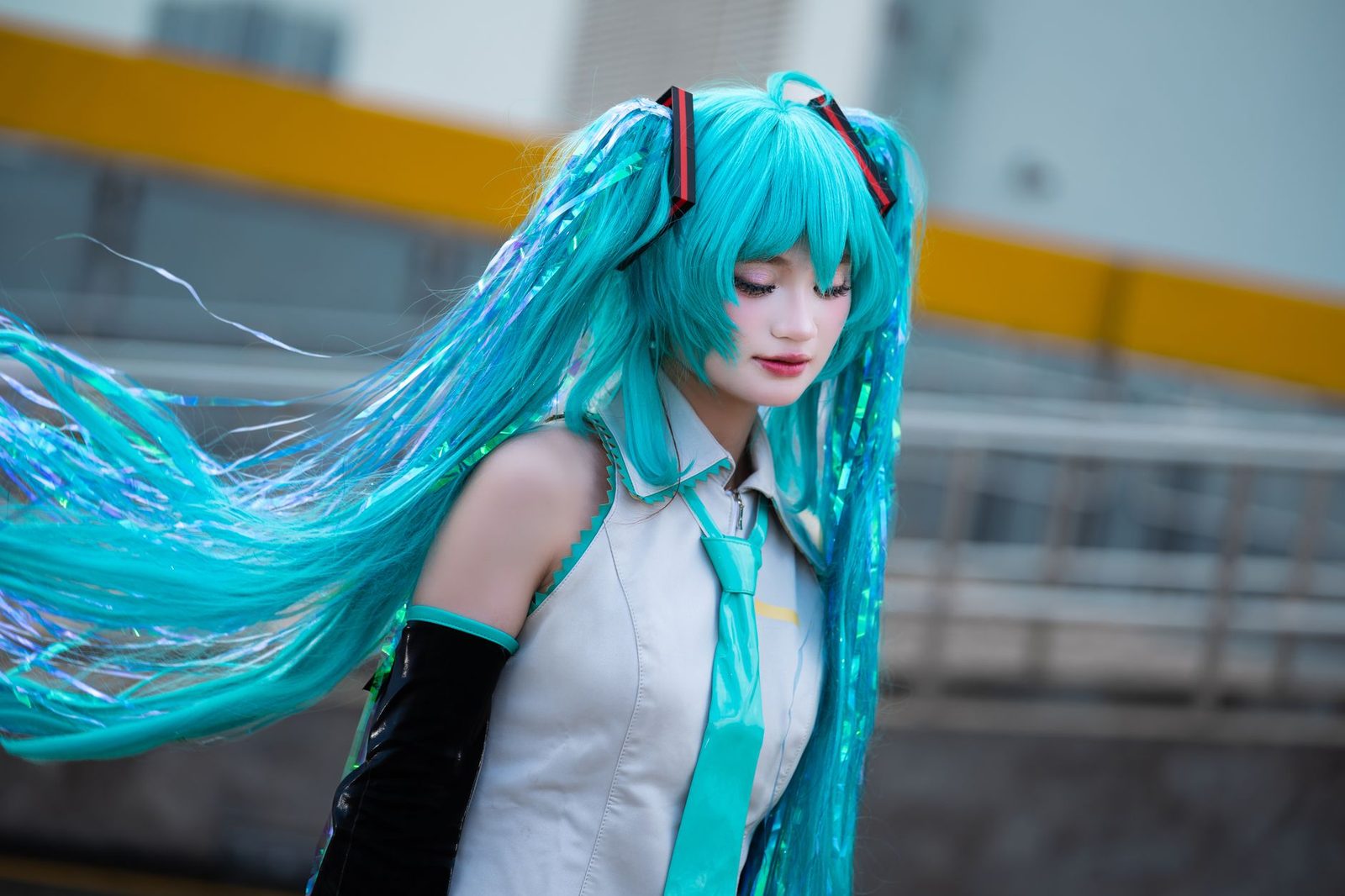
2D animation is the oldest of the major animation styles still in wide use. Artists draw each frame, or key parts of each frame, by hand or with digital drawing tools. Early studios used actual paper and ink. Today, most 2D work happens in software, but the drawing principles have not changed much.
Traditional 2D animation relies on key frames and in-between frames. A lead animator draws the key poses, the important moments in an action. Then other artists, sometimes called in-betweeners, fill the gaps with additional drawings. This process is called "tweening." Modern software can automate simple tweening, which speeds up production significantly.
2D animation dominates two huge creative spaces: Western television cartoons and Japanese anime. Anime in particular has built an entire visual language from 2D techniques. Long, held shots. Speed lines. Exaggerated facial expressions frozen for comic or dramatic effect. These are not accidents. They are deliberate style choices that let studios produce a lot of content without animating every single frame in full detail.
This efficiency-driven style is also why anime splits into so many distinct visual genres and subgenres. Shonen action shows use sharp, dynamic linework and fast cuts. Slice-of-life anime often use softer colors and slower pacing. If you want a full breakdown of how to spot these differences, our dedicated guide on identifying anime genres and subgenres goes much deeper into that topic.
Where 2D Animation Shows Up Today
- Long-running television cartoons, where cost control matters over many episodes
- Anime series and films, from small independent studios to major franchises
- Mobile games and app animations, where file size and speed matter
- Explainer videos and educational content, thanks to clear, simple visuals
2D animation remains popular because it is expressive and flexible. A skilled artist can convey emotion with a few well-placed lines. It also tends to be cheaper than full 3D production, which keeps it alive in television, streaming, and independent film.
3D and CGI Animation Styles in Modern Film
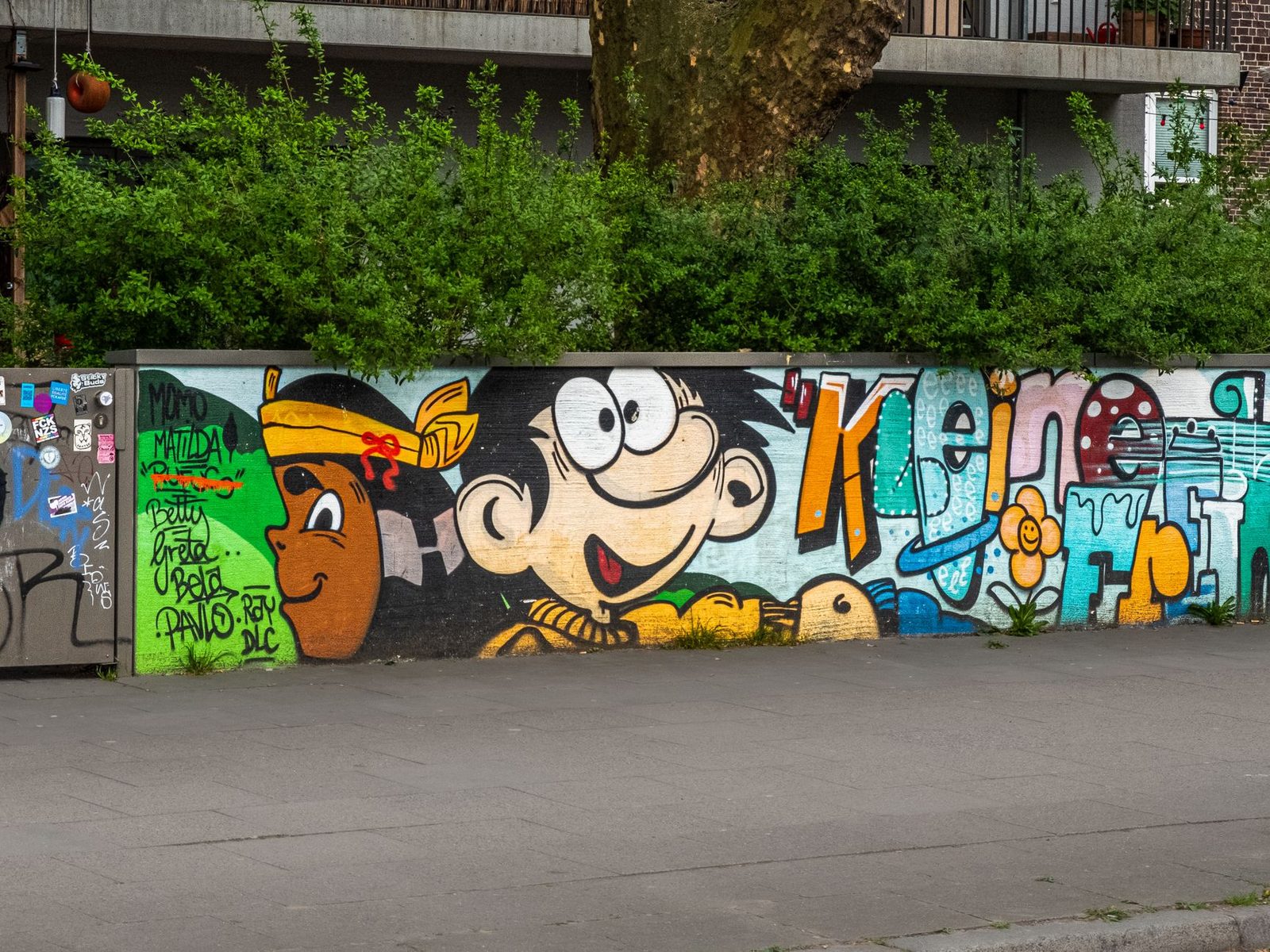
3D animation, often called CGI (computer-generated imagery), builds characters and worlds inside a digital space. Instead of drawing each frame, animators build a model, like a digital puppet, then move its "bones" to create motion. Software calculates how light, shadow, and texture should look from any angle.
This process starts with modeling. Artists build the shape of a character or object in 3D software. Next comes rigging, which adds a skeleton to the model so it can bend and move naturally. After rigging, animators pose the model at key moments, much like key framing in 2D work. The computer then fills in the motion between those poses.
Texturing and lighting come next. These steps decide how surfaces look, whether shiny, rough, fabric-like, or metallic, and how light falls across a scene. Rendering is the final step, where the computer processes all this information into finished frames. Rendering can take hours per frame for complex scenes, which is why big CGI films need huge amounts of computing power.
3D animation became mainstream in feature films through steady technical improvement over several decades. Early efforts were simple and limited by computing power. Over time, studios developed better tools for hair, cloth, water, and lighting, making digital characters feel more real and expressive. Our full piece on the evolution of CGI in feature films traces this journey in detail, including the major technical leaps that changed what animators could achieve.
3D Animation Beyond Movies
CGI is not just for animated features anymore. It shows up in video game cinematics, visual effects for live-action films, architectural walkthroughs, and product design. Video game studios in particular have pushed 3D animation forward, since games demand real-time rendering, not just pre-rendered scenes for a fixed camera.
Our analysis of the animation landscape shows a clear pattern. Wherever budgets are large and audiences expect photorealistic detail, 3D animation tends to dominate. Wherever budgets are tighter or a stylized look is preferred, 2D and other techniques still hold strong ground.
Stop-Motion and Rotoscoping Animation Styles: Hands-On Techniques
Stop-motion is one of the oldest tricks in the animation toolbox. Instead of drawings or digital models, animators use real physical objects. This might be clay figures, jointed puppets, or even everyday household items. The animator moves the object slightly, takes a photo, moves it again, and repeats. Played back quickly, the still photos create motion.
This process is slow and demanding. A single second of finished footage might need dozens of individual photographs. Because everything is physical, small mistakes, like a bumped table or an accidental shadow, can ruin hours of work. That said, stop-motion has a tactile charm that digital techniques struggle to fully copy. You can often see tiny fingerprints in clay or subtle texture in fabric, and that imperfection is part of the appeal.
Institutions that study film history, including archival bodies like the National Film Registry, have preserved several landmark stop-motion works because of their lasting cultural and technical importance. Stop-motion has never been mainstream in the same way as 2D or CGI, but it has produced some of animation's most memorable and distinctive films.
Rotoscoping works differently. Animators trace over live-action film footage, frame by frame, to create movement that looks unusually lifelike. This technique dates back to very early film history and has been reinvented many times since. It gives animated characters realistic weight and timing, since the underlying reference is real human movement.
Practical Steps for Spotting These Techniques
- Look for slight texture, fingerprints, or seams: a strong sign of stop-motion
- Watch for oddly fluid, almost too-realistic human movement: often a sign of rotoscoping
- Check for smooth, uniform surfaces with dynamic camera angles: usually a marker of 3D animation
- Notice flat colors, bold outlines, and held poses: the classic signature of 2D work
Groups like the National Film Board of Canada have long supported experimental animation, including hybrid approaches that mix stop-motion, rotoscoping, and hand-drawn work in a single project. Studios today often blend techniques rather than picking just one, which makes spotting the "pure" version of any style a fun challenge for close viewers.
How Frame Rate and Timing Shape Animation Styles
No matter which animation style a studio chooses, frame rate and timing decide how the final motion feels to an audience. This is one of the most overlooked parts of animation, and it deserves its own focused explanation, which is exactly what our detailed guide on frame rate and motion in animation provides.
Here is the short version. Most film and television animation runs at 24 frames per second. Some studios animate "on twos," meaning each drawing holds for two frames instead of one. This cuts the workload roughly in half while still looking smooth to most viewers. Anime studios often use this method, along with even sparser timing during less important scenes, saving detailed full-frame animation for big dramatic or action moments.
3D animation can technically run at any frame rate, since the computer generates every frame. However, most feature films still stick close to traditional film frame rates, partly out of habit and partly because higher frame rates can sometimes make CGI look strangely artificial, an effect some viewers describe as looking "too smooth" or overly digital.
Stop-motion has its own natural limits. Since a real person moves a physical object by hand for every single frame, achieving very high frame rates is slow and expensive. Most stop-motion work sticks closer to traditional rates for practical, budget-driven reasons.
What this means in practice is that frame rate is not just a technical setting. It is a creative choice. Slower, choppier motion can feel stylized, dramatic, or nostalgic. Smooth, high frame-rate motion can feel modern, realistic, or, in some cases, uncanny. Understanding this helps explain why two different animated shows can look worlds apart even when both technically qualify as "2D animation."
Conclusion: Choosing the Right Lens for Animation Styles
Animation styles are not just technical categories. They are creative decisions that shape how a story feels. 2D animation offers flexibility and expressive linework. 3D animation offers photorealistic detail and dynamic camera work. Stop-motion offers tactile, handmade charm. Rotoscoping bridges live-action realism with animated style.
Once you understand these building blocks, you will notice them everywhere, from big-budget films to small independent projects. For a deeper look at any single piece of this puzzle, explore our companion guides on anime genres, CGI's evolution in film, and how frame rate shapes motion.
For more context, read Apple in worldwide deal for See-Saw's 'Tenzing'.