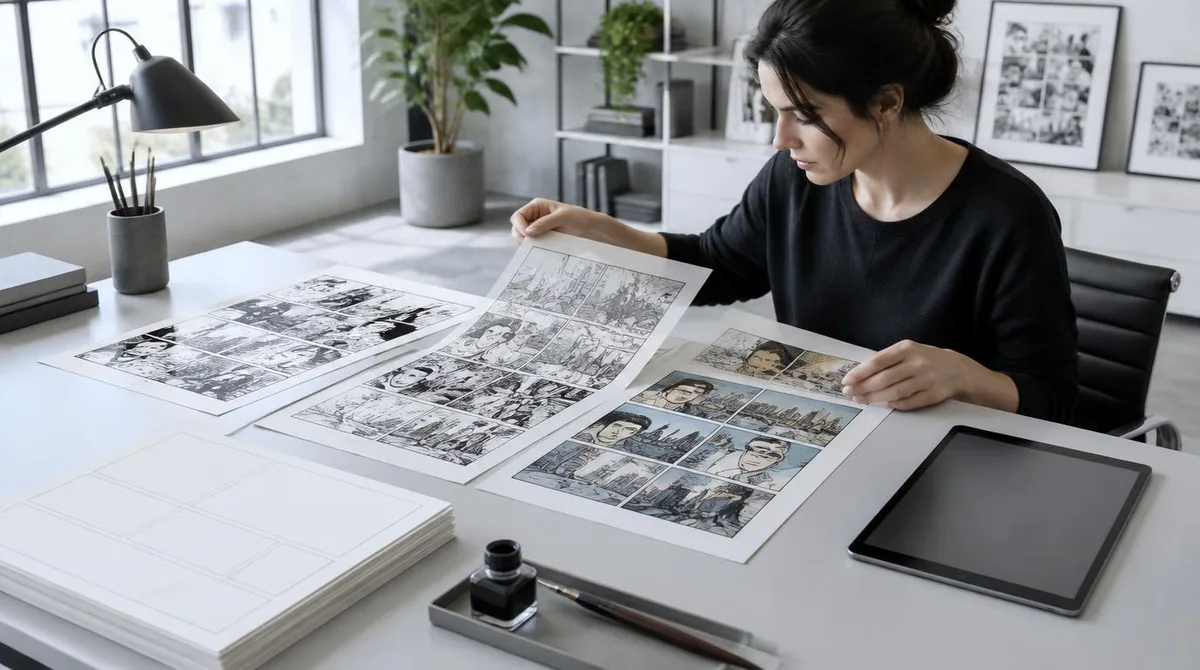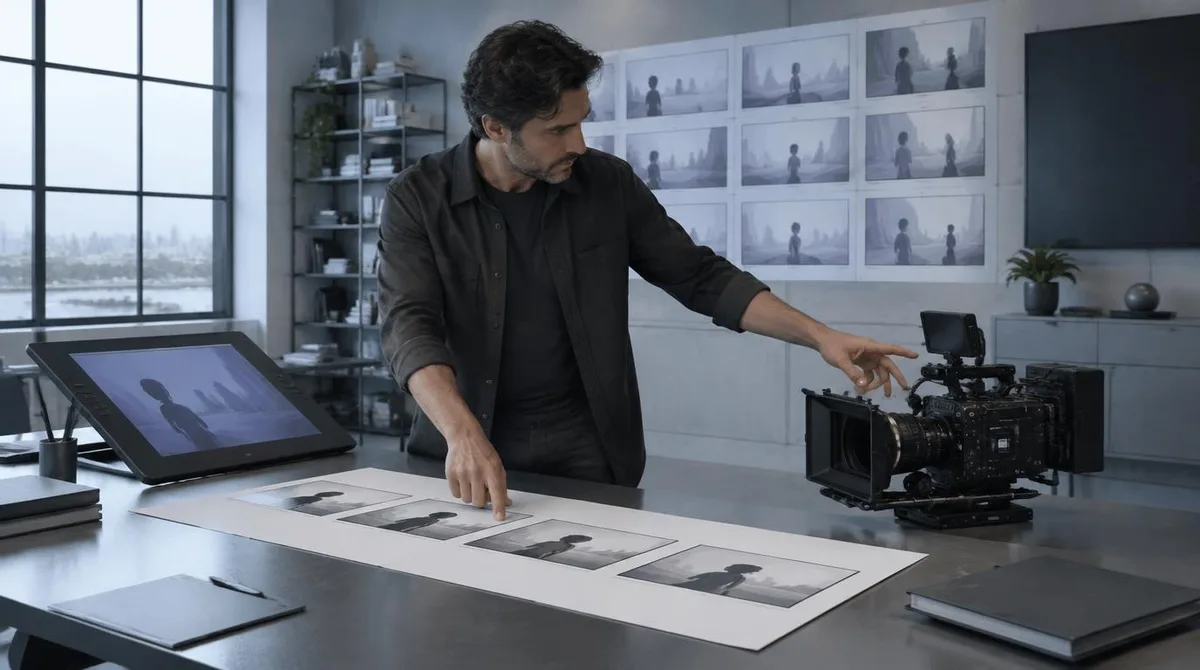
A studio flips a project between animation and live action for one of three reasons: money, story, or audience. The animation versus live-action question is rarely about which format is better. It is about which format can deliver a specific story, at a specific budget, to a specific crowd.
Sometimes the switch happens before a single frame exists. Sometimes it happens after years of development. Either way, the reasons behind the flip are more practical than mysterious — and knowing them makes you a sharper viewer of both.
What does the format actually change for a studio?
Live action photographs real people in real (or built) places. Animation builds every image from nothing. That single difference cascades through everything: who gets hired, how long production takes, what risks are affordable, and what the final film can show.
In live action, the camera is bound by physics and by what a crew can build or shoot. In animation, the only limit is what a team can draw, model, or render. As Brush Ninja's animation guide puts it, traditional animation is created by drawing each frame individually — a frame-by-frame process where nothing arrives for free. Every background, every crowd, every weather effect is a deliberate choice someone made and someone paid for.
That cuts both ways. Nothing arrives for free, but nothing is impossible either.
Why does budget push projects toward animation?
Here's the counterintuitive part: animation is often the cheaper option, not the expensive one. A live-action fantasy epic needs location shoots, constructed sets, practical creatures, and hundreds of visual effects shots layered over photographed footage. An animated film replaces most of that with drawings and renders — costly in labor, but far more predictable in cost.
Animation also scales down gracefully. A small studio can produce a stylized 2D short with a skeleton crew, which is why so many first-time filmmakers start there. Free browser tools have lowered the entry bar further: DrawnColor's animation maker runs a full frame-by-frame studio in a browser tab with no signup and no watermark, and it explains the classic flipbook method — draw a frame, duplicate it, nudge the drawing, repeat — that underlies every hand-drawn cartoon, from a hobbyist's GIF to a theatrical feature.
Live action does not scale down the same way. You can shoot a micro-budget drama on a phone, but the moment your story needs a dragon, a spaceship, or a city that doesn't exist, the costs stop being negotiable.
When does a story demand animation instead?
Some stories simply cannot be photographed. A cast of talking animals, a world with its own physics, a visual style built on exaggerated squash-and-stretch movement — these are native to animation. Trying to render them in live action means burying the film under visual effects, and the result often feels like a compromise rather than a choice.
Tone matters too. Animation gives filmmakers a dial that live action lacks: how stylized should this be? A drawn film can shift from grounded drama to wild cartoon logic in a single scene. Live action can approximate that, but the seams show.
Voice-driven characters are another tell. Modern tools can animate a character directly from recorded audio — Adobe's animation maker lets anyone pick a character, record their voice, and watch it come to life in seconds — which hints at why animation suits projects built around vocal performance rather than physical presence.
Why would an animated project flip to live action?
The reverse switch usually comes down to audience perception. Studios sometimes believe that live action reads as "prestige" or "for grown-ups" while animation reads as "for kids," and that belief — fair or not — drives real decisions. A studio holding rights to an animated property may rebrand it as live action to reach an older demographic or to signal a fresh take rather than a remake of the cartoon.
There's also the merchandising and star-power math. Live action puts recognizable faces on a poster. Animation sells the world, not the cast. When a studio wants a marquee name driving ticket sales, live action looks tempting.
And sometimes it's simpler: the rights situation. If the animated version's rights are tangled but the underlying comic or book is clear, a live-action adaptation may be the legally easier path. We can't verify any specific project's paperwork from the outside — but the pattern of adaptations jumping formats is common enough that rights logistics are a standard suspect.
Does the switch ever happen mid-development?
Yes, and it's usually expensive. A project that starts live action can flip to animation when the visual effects budget balloons past what the shoot can absorb — it's sometimes cheaper to draw the impossible thing than to photograph it badly. A project that starts animated can flip to live action when a new studio chief wants a different market positioning, or when a star attaches to the project and the format reshapes around them.
What viewers rarely see is how much gets thrown away in these flips. Scripts get reconceived. Design work starts over. The finished film you watch is the survivor of those decisions, not the first version.
Our analysis: what this means for what you watch
Here's our read of the evidence: the animation-versus-live-action debate is mostly a false choice, because the format follows the story's needs and the studio's constraints — not the other way around. When a studio picks the format that genuinely serves the story, you tend to get a film that feels inevitable. When the format is chosen for market positioning first, the strain usually shows on screen.
So the practical takeaway for viewers: judge the fit, not the format. An animated film that uses everything drawing can do will beat a live-action film fighting its own effects shots every time. If you want to see how far animation can stretch, our guide to the best animation movies that hold up decades later is a good starting shelf, and what separates a great comics-to-animation adaptation digs into how format choices play out when a story crosses mediums.
And if the craft side hooks you, the techniques behind these choices are more accessible than ever — our guide to choosing animation software for your first short covers where beginners actually start. Understanding why studios switch formats makes you a better judge of the results. That's the whole point of knowing the machinery.