The neighborhood comic shop survives by selling more than comics. The modern shop is a mix of new weekly issues, back issues, collected editions, manga, tabletop games, trading cards, merch and pull-list subscriptions — diversified revenue built in response to decades of shocks, most recently Diamond Comic Distributors' January 2025 Chapter 11 bankruptcy filing, which reshaped how new comics reach stores across the United States. Understanding that machinery explains why your local shop looks the way it does, and why the pull list is its true lifeblood.
What is the direct market a comic shop depends on?
The "direct market" is the system that replaced newsstands. In the early 1970s, retailer Phil Seuling persuaded publishers to sell comics to specialty shops on a non-returnable basis — shops kept what did not sell, in exchange for a bigger discount. That single trade-off created the comic shop as we know it: no returns for publishers, no refunds for shops, and inventory risk moved onto the retailer.
For decades one company, Diamond Comic Distributors, sat at the center of that pipeline as the near-exclusive distributor of Marvel and DC single issues — a position Marvel helped create by signing exclusively with Diamond in the mid-1990s, during the industry's sales collapse. That concentration is why Diamond's 2025 bankruptcy filing, reported across the comics and business press, registered as an existential industry event rather than a routine restructuring; its distribution assets were acquired and new-comic Wednesdays continued, but shops spent months mapping alternate suppliers.
Why do shops push pull lists so hard?
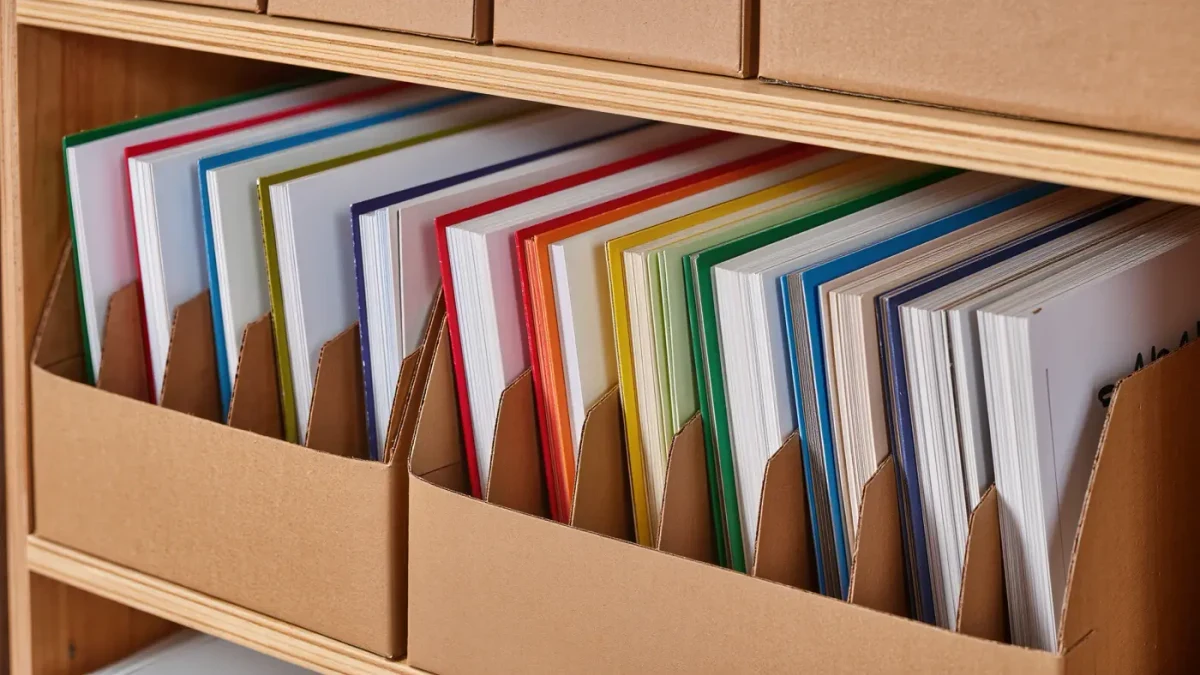
Because preorders are the only predictable money in a non-returnable business. A pull list — the titles a shop reserves for you every month — converts an uncertain walk-in trade into a known monthly baseline. For the shop, it means ordering numbers grounded in real customers rather than guesses. For you, it means never missing an issue one. It is the single most useful thing a regular reader can do for a shop they want to keep, and every retailer will tell you so.
How do shops actually make money?
Roughly in this order, per retailer interviews and industry trade coverage over the past decade:
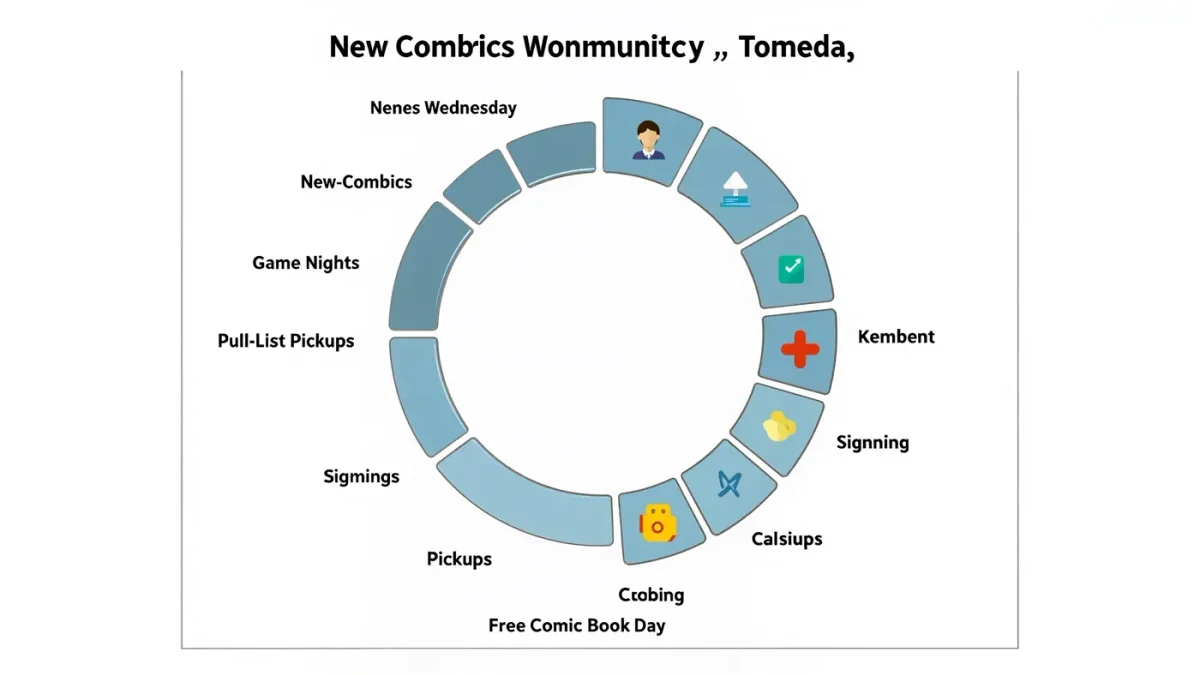
- Games and cards. Weekly tabletop events, trading-card singles and sealed product are, for many shops, the largest and steadiest revenue line.
- Graphic novels, manga and back issues. Higher ticket prices and readers who buy in volume; manga in particular drove category growth through the 2020s.
- New single issues. Still the ritual core of the week, but with thinner margins per unit than most customers assume.
- Merch and collectibles. Funko-style figures, statues, supplies — impulse and gift traffic.
That mix is a survival strategy, not a personality. When one line wobbles — a card game's popularity dips, a manga glut hits — the others carry the month.
What pressures keep closing shops?
Rent, first; comic shops cluster in cities where retail rent has risen relentlessly. Non-returnable inventory, second; a shop that guesses wrong on a #1 issue eats the loss. Concentrated distribution, third; single-supplier risk was exposed in 2020 when the pandemic briefly halted Diamond's shipping and DC moved part of its business to new distributors permanently. And demography, fourth — the customer base that buys weekly floppies is not being replaced one-for-one, which is why you see children's shelves, manga walls and game nights where long boxes used to sit.
What did the Diamond bankruptcy change?
Concretely: a compressed restructuring in early 2025, the loss of Diamond's position in some product categories, and accelerated diversification by publishers into multiple distributors for the direct market. Business reporters covering the filing through Reuters' media desk framed it as the end of the single-distributor era that defined the direct market since the 1990s. For shops, the practical outcome was more ordering portals, more shipping schedules to reconcile — and, for readers, essentially no visible change except the one that matters: Wednesday still happens.
How can readers actually help a shop survive?
The effective levers, in order of impact: start a pull list for even two titles; buy collected editions locally when the price difference is small; show up to game and event nights, which cost the shop little and pay the rent; and pre-order — not preorder a special edition from a distant online giant, but tell your shop what you want, because their order numbers to publishers are literally votes for which comics exist. A shop that knows its customers' tastes orders better, survives longer, and stays the place where you found your favorite run in the first place.