Classic comics are back in print because the tools finally caught up to the demand. Since IDW published the first Artist's Edition — reproducing Dave Stevens' original Rocketeer art at full size in 2010 — the format has spread across publishers, while archival lines from Fantagraphics, IDW's Library of American Comics and Marvel's and DC's omnibus programs have put century-old strips and Golden Age comics into bookstores. Meanwhile the Library of Congress holds and digitizes original comic art through its public collections, a signal of how far the material has traveled from disposable newsprint to preserved heritage. The reprint boom is not nostalgia; it is infrastructure.
What counts as a reprint or archive edition?
A loose family of formats, all doing the same job — keeping old comics commercially alive:
- Archives and masterworks: hardcovers collecting Golden and Silver Age material in chronological runs.
- Omnibuses and compendiums: phone-book-scale collections of complete modern runs.
- Strip collections: full chronological reprints of newspaper adventure and humor strips, often in deluxe oversized volumes.
- Artist's editions: scans of original art boards reproduced at actual size, showing pencil marks, white-out and margins.
- Facsimile editions: exact reprints of a single historic issue, ads and letters pages included.
Why did the boom happen now?
Three forces converged. Scanning and print technology matured enough to reproduce aged newsprint and original art affordably, making small-print-run hardcovers economically viable. Bookstores and libraries became the growth channel for comics in the 2010s and 2020s, and those channels reward durable, complete, shelf-worthy editions over monthly pamphlets. And a generation of creators raised on reprints became the generation commissioning them — the Artist's Edition idea, born in 2010, now spans dozens of volumes across multiple publishers, per publisher catalogs and solicitation materials.
Why do collectors love Artist's Editions?
Because they are the closest thing to holding the original board. Original comic art — the actual inked pages — has been traded by collectors for decades and preserved by institutions like the Library of Congress, whose comic art collections document the medium's history publicly. An Artist's Edition borrows that logic: photograph the boards at full size, print at roughly original dimensions, and leave the corrections, notes and tape visible. You see the decisions. For artists, it is a teaching tool; for readers, it demystifies craft that the printed comic flattens away.
What about newspaper strips?
The strip reprints are arguably the medium's greatest rescue. Adventure strips of the 1920s through 1960s — the material that taught generations to read comics — were printed on paper that literally crumbles, and many sequences had never been reprinted in order. Multi-year projects by specialty publishers corrected that, volume by volume, earning the format a permanent place in library collections. If your mental image of reprints is a musty digest, a modern full-color strip archive at strip dimensions will change it in one sitting.
Are reprints replacing back-issue hunting?
Not replacing — relieving. Key Golden and Silver Age keys remain expensive collector assets untouched by reprinting, since the physical artifact carries the value. But for everything below that tier, the calculus has flipped: the reading experience of a restored archival edition is better than a 60-year-old newsprint copy, and often cheaper than a mid-grade back issue. The result is a healthy split — collectors chase artifacts, readers buy books, and both end up deeper in the medium.
How do you start a shelf of reprints without overspending?
Practical entry points: pick one archival line and stay inside it — chronology beats variety for reading pleasure. Check library availability first; much of this material sits in public library digital and print collections, which makes sampling free. Watch print runs: archival hardcovers go out of print and return, so a volume you want is worth buying when announced rather than after the scalping begins. And start with material you already love in modern form — the classic run that inspired your favorite modern series reads as lineage, not homework.
Is the boom slowing down?
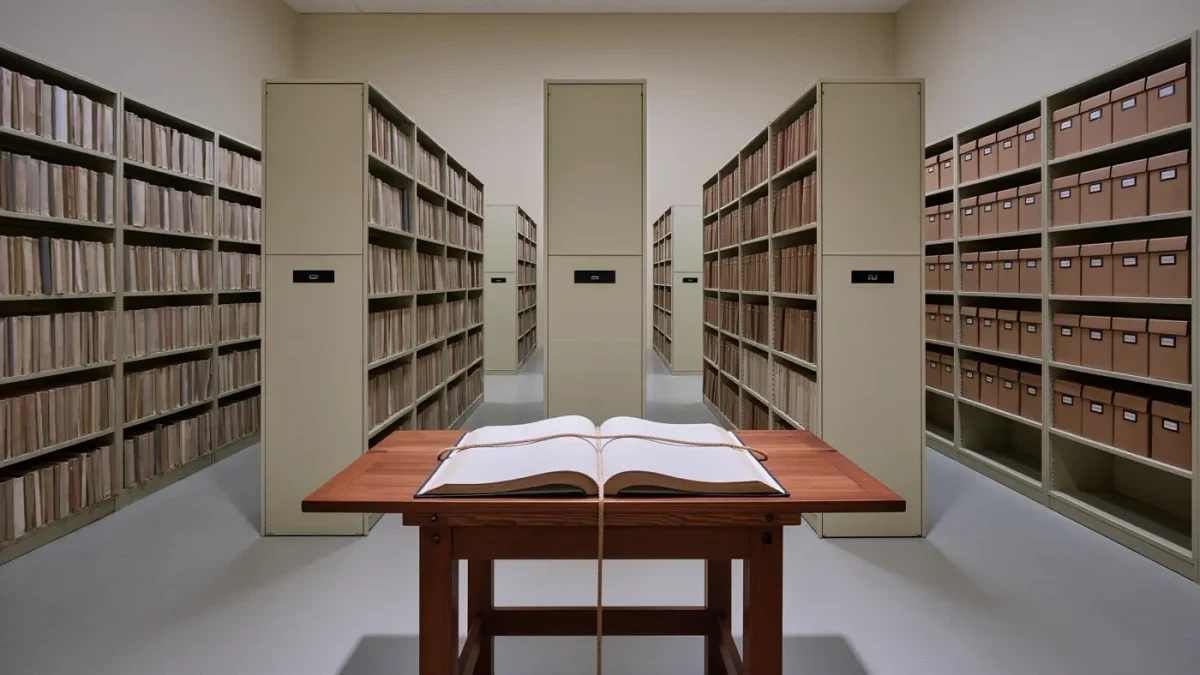
Signs point the other way. Publishers keep announcing new archival lines, facsimile programs have expanded from single golden-age issues to modern first issues, and libraries continue acquiring and digitizing comic heritage, extending availability beyond what any single publisher prints. The disposable era of comics is over as a default assumption. Whatever else changes in the industry, the back catalog now has a permanent home on shelves — and that is a genuine change in the medium's culture.