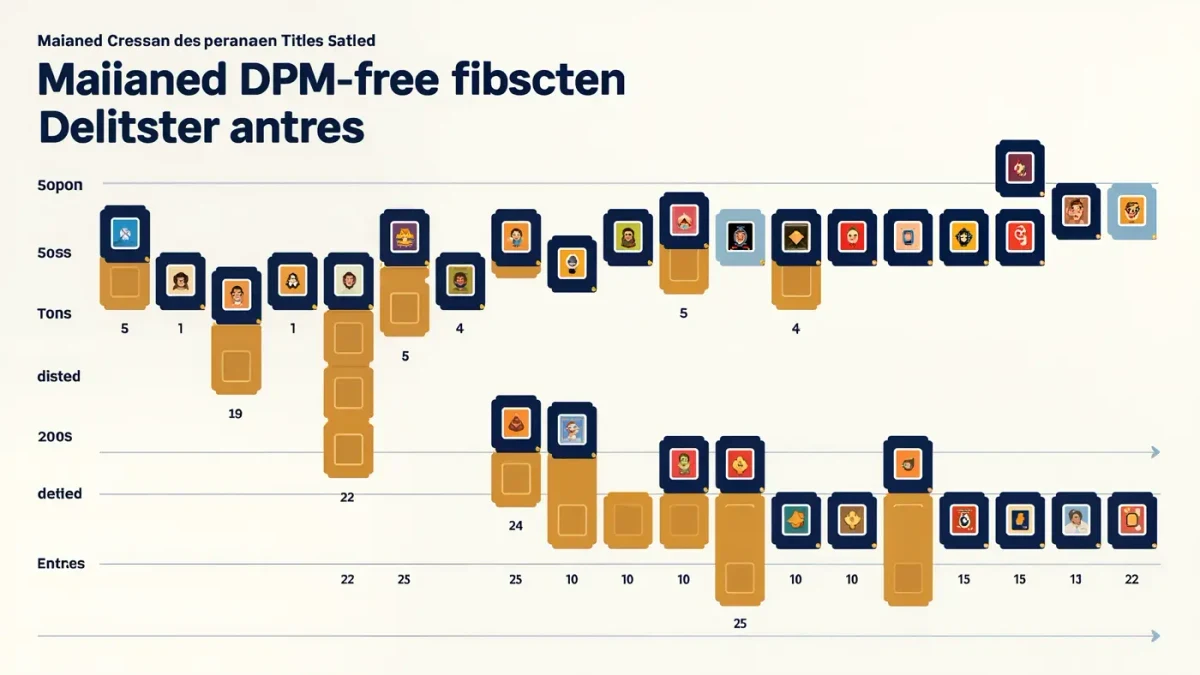
The biggest game-preservation development heading into mid-2026 is GOG's expansion of its Preservation Program to explicitly protect delisted games: per Game Developer's 2025 report, once a title joins the program, the DRM-free store pledges to keep it compatible and available even if the publisher pulls it elsewhere. It is the clearest private-sector commitment yet on a problem the industry has mostly apologized for — digital games vanishing when licenses lapse or stores close.
What is the GOG Preservation Program?
Launched in late 2024 with a catalog of around 100 classic titles, the program promises ongoing compatibility updates for old games on modern systems — and per the store's stated policy, titles that join stay maintained even if they get delisted from GOG's own storefront. The pledge got an early stress test when Blizzard delisted its classic Warcraft re-releases: per Techdirt's December 5, 2024 coverage, GOG kept its version playable and buyable under the program, exactly as promised.
Why does delisting keep happening?
Licensing. Most delisted games disappear because music, car, or brand licenses expire, or because publishers withdraw old versions when remasters ship. Sony's PlayStation storefront, in particular, has seen waves of delistings — including bulk removals of low-budget catalog titles reported by Eurogamer. None of it is malicious; all of it erases history one SKU at a time. The pattern is why preservationists argue store availability is not ownership, and why DRM-free copies and physical prints carry weight.
What does this mean for collectors and readers?
Practical rules, unchanged but newly urgent. If a game you love is available DRM-free, that copy is the preservation-grade one. If it exists physically in a modern print run, that copy outlives any storefront decision. And when a remake is announced, expect the original's digital listing to be at risk — the 2026 revival wave documented across this year's remake roundups makes original-version availability a live question for every classic getting rebuilt. Game preservation has stopped being an archivist's hobbyhorse; in 2026 it is a buying decision.