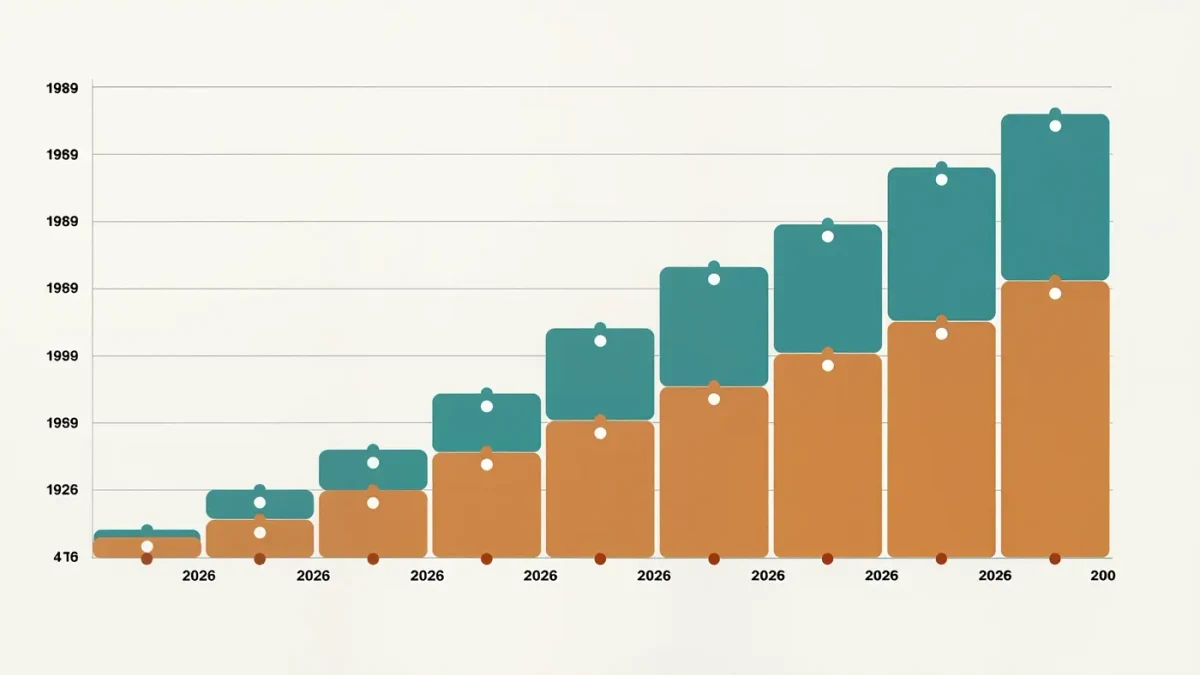
Adult animation boomed because streaming platforms competing for subscribers discovered it was cheap-to-mid-cost programming with outsized international reach — Reuters' coverage of the streaming wars documented platforms spending aggressively on animation as a retention tool through the early 2020s. Combine that with a generation raised on anime and adult cartoons that never stopped watching, and you get the current catalog reality: adult animation is now a standing section on every major platform, not a novelty. That's the short version.
SSS Comics publishes sourced explainers on industry trends — figures cited here are documented public data points, not forecasts.
What does adult animation even mean?
Animation written and rated for grown-ups — not family shows with a wink. The lineage runs from The Simpsons, which premiered on Fox in December 1989 and proved animation could anchor a network's prime schedule for adults, through cable-era successes to today's streaming catalog. What changed in the 2010s and 2020s wasn't the existence of adult animation; it was the volume and the ambition — serialized dramas, not just sitcom satire.
What role did streaming play?
The decisive one. When Netflix, Amazon, and later Disney+ and HBO Max competed for subscriptions, animation offered a rare combination: production costs far below live-action spectacle, global travel without casting or location barriers, and long-tail rewatch value. Netflix in particular built a large adult animation slate and licensed anime at scale, behavior Reuters reported as part of broader platform strategy to monetize proven Japanese IP and original adult animation alike.
The pandemic accelerated the logic too — animation production, with its distributed remote pipeline, kept delivering when live-action sets shut down in 2020, and buyers remembered which shelf stayed stocked.
Which shows actually proved the market?
A few documented milestones stand out. Netflix's Arcane won the Emmy for Outstanding Animated Program in 2022 — the first streaming series to take that award, per the Television Academy's results. Castlevania ran four seasons from 2017 to 2021 and became one of Netflix's most-watched original series per the platform's own release reporting. On the prestige-comedy side, BoJack Horseman (2014–2020) demonstrated that animated drama about depression and failure could be awards-conversation material. And Invincible's 2021 debut showed adult superhero animation could carry a franchise, prompting further Amazon investment.
Each hit widened the lane for the next pitch.
How big is anime's share of the boom?
Huge, and increasingly inseparable from the Western market. The Japanese market grew for consecutive years through the 2010s and early 2020s, with overseas revenue eventually rivaling domestic — a trajectory covered by BBC Culture in its reporting on anime's global surge. Streaming made subtitled simulcasts a default viewing habit in the West, and platforms began co-producing anime directly. For Western commissioners, that success was proof that adult audiences would show up week after week for animation, subtitled or not.
Why did adult animation stay profitable when other genres got cut?
Relative cost discipline. Live-action drama salaries, location costs, and VFX budgets escalated through the 2020s while streamers faced investor pressure to show profits, triggering the wide cancellations of 2022–2024 that Reuters covered across the industry. Animation's costs are front-loaded into production labor rather than talent premiums, its libraries rewatch well, and its audiences skew young — exactly the subscribers platforms most want to retain. The genre emerged from the budget-cutting era not just intact but expanded.
Is the boom still going as of 2026?
The land-rush phase is over; the standing-catalog phase has begun. Platforms greenlight fewer, more targeted adult series than at the 2021 peak, but the shelf itself — anime licensing, mature action series, adult comedy — is a permanent fixture of every major service. Anime's global growth has continued, per industry reporting through 2025, and Western adaptations of comics properties remain a reliable greenlight category.
For viewers, that means more adult animation than any one person can watch, spread across more services than any one budget should fund. For the industry, it means the boom's real legacy is structural: animation for adults stopped being a genre and became a baseline expectation of any platform that wants to keep subscribers between live-action tentpoles.
What did the boom change for creators?
Career paths. Before streaming, adult animation in the West meant a narrow sitcom lane; the boom opened adult action, horror, and drama as fundable categories, and pulled animation talent from film studios, indie scenes, and comics into television work. Comics creators benefited directly — page-to-screen deals became a visible greenlight category, with writers and artists from the comics world attached to animated adaptations as writers, producers, and showrunners rather than merely credited sources.
Voice acting professionalized alongside it: the boom years created steady lead roles for performers who previously found animation work scarce outside franchises and kids' programming.
What are the boom's downsides?
Honesty requires the other column. Discovery-driven cancellation risk rose — shows greenlit for strategy were canceled for strategy, sometimes after one season and sometimes mid-production, in the same cost-cutting wave that hit all streaming genres in 2022-2024. Marketing budgets concentrated on a few tentpoles, leaving smaller adult series to find audiences by word of mouth or not at all. And the anime demand that powered part of the boom also intensified production pressure on Japanese studios, a labor issue the industry itself has publicly acknowledged. The boom created more adult animation than ever — and more adult animation cancelled young than ever, too. Viewers navigating the catalog in 2026 benefit from the expanded shelf; creators navigate it with less certainty than the 2021 peak implied.
For more context, read What Separates a Great Comics-to-Animation Adaptation.
For more context, read how animated tv shows are made.
For more context, read anime vs western animation.