Start small and go prepared. Comic-Con International in San Diego, the convention everyone pictures, has run since 1970 and regularly fills its venue past 130,000 attendees, per the convention's own attendance reporting — which is exactly why your first convention should probably be a one-day regional show, not a four-day mega-event. Pick a local con, buy your badge in advance, set a spending cap before you walk in, and wear shoes you have already broken in. Everything below builds on those four decisions.
Which convention should a first-timer actually pick?
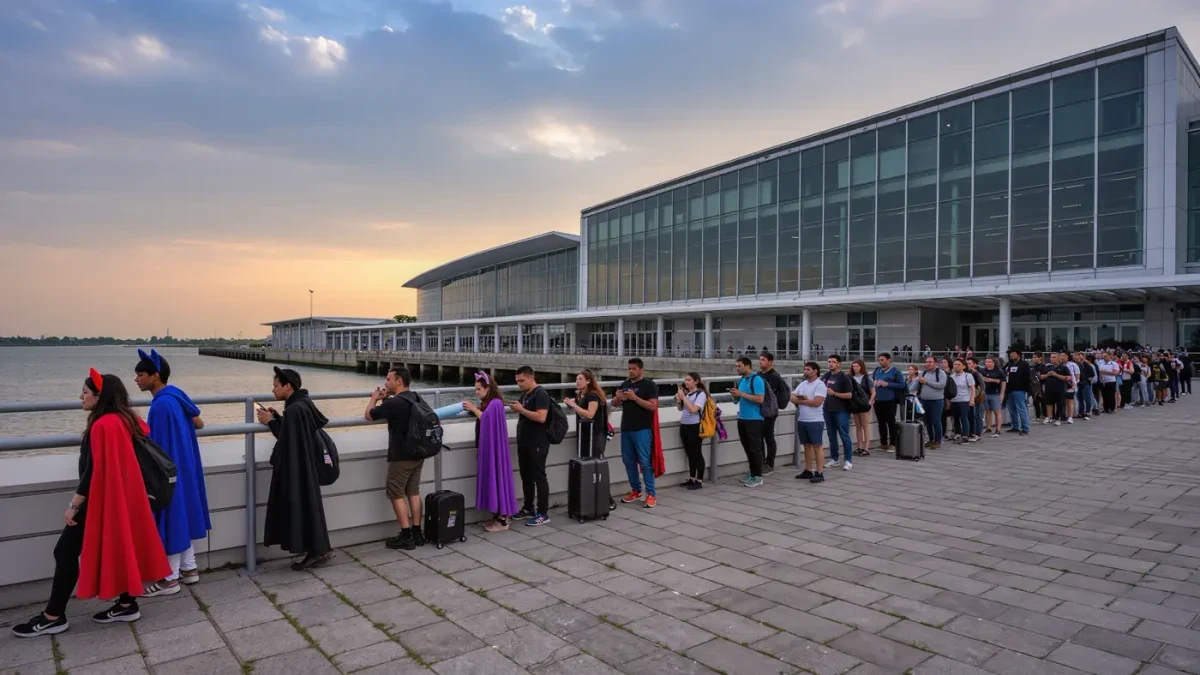
Regional shows are the honest recommendation. A one-day or weekend con within driving distance teaches you the rhythm — the floor, the artist alley, the panel queue — without the hotel bills and badge lotteries of the giants. Mega-conventions like San Diego's are their own sport: badges sell out months ahead, hotels require booking windows, and hall lines start before dawn. Treat them as year two or three, not the audition.
Check the guest list before buying. If the draw for you is meeting specific creators, confirm they are attending and, crucially, whether their tables are in artist alley (usually free to approach) or behind a paid-autograph operation. That single piece of research shapes your whole day.
How do badges and tickets really work?
Buy from the convention's official site only. Most shows run tiered pricing — single-day passes cost less than weekend badges, and many regional cons discount early purchases. The large shows have moved to registration lotteries and returning-attendee windows simply because demand outstrips capacity, as San Diego's organizers have explained each year when opening badges to open sale after member returnee rounds.
Two practical warnings. First, badges sell on a schedule, not on sympathy — set a calendar reminder the moment dates are announced. Second, resold badges are a risk at most major shows, which increasingly print names or scan IDs; a stranger's marketplace deal can end with you outside the doors.
What should you bring on the day?
A short, boring list that saves the day:
- A bag with a strap — book weight adds up faster than you think.
- Backboard-and-bag protection or a rigid folder for signed pages and prints.
- A portable battery; convention halls are signal dead zones and phones drain fast.
- Cash in small bills for small-press tables, which do not all take cards.
- Water and a snack line-strategy — hall food is priced for captives.
- Comfortable shoes. This is not a suggestion.
How do you budget for the floor?
Decide the number before you enter, split it into categories, and keep a reserve. A workable split for a first show: roughly half for books and art you came for, a quarter for surprises in artist alley, a quarter held back for the last hours, when some dealers would rather sell than restock. Conventions are where overpaying is easiest — exclusive-edition fever is real, and a variant with a show foil stamp is only worth what you will still think of it in a month. Write the cap on your phone lock screen if you must. Entertainment news coverage of convention exclusives, including the AP's annual San Diego roundups, consistently shows the same pattern: the queue is the experience, the overpriced foil is the regret.
How do panels, autographs and photo-ops work?
Panels are mostly first-come seating; the bigger the guest, the earlier the line, and headline rooms at major shows fill hours ahead. Autographs split into two worlds: creator tables in artist alley, often free or price-modest with the creator's own rules, and ticketed autograph and photo operations run by outside companies at the big shows, which sell timed slots in advance. If a specific creator signature is your whole reason for going, verify the mechanism before you buy the badge — some signings are wristbanded from the morning queue, and showing up at 2 p.m. means missing out.
What is the etiquette at creator tables?
Simple and worth knowing in advance. Let fans who are buying finish their transactions before a long chat. Ask before photographing a creator or their display. If you want a sketch or signature, ask about the process — some take lists in the morning, some draw between rush periods. And buy something when you can; artist alley is people's livelihood, not a free meet-and-greet.
Any last tips for surviving the weekend?
Leave the hall for lunch — any restaurant three blocks away beats the food court. Check the program grid the night before and pick no more than two must-do items per day; everything else is bonus. Take photos of your parking spot and your meet-up point. And talk to people in line; queue conversation is quietly the best part of the convention, and it is how most of us learned half of this in the first place.