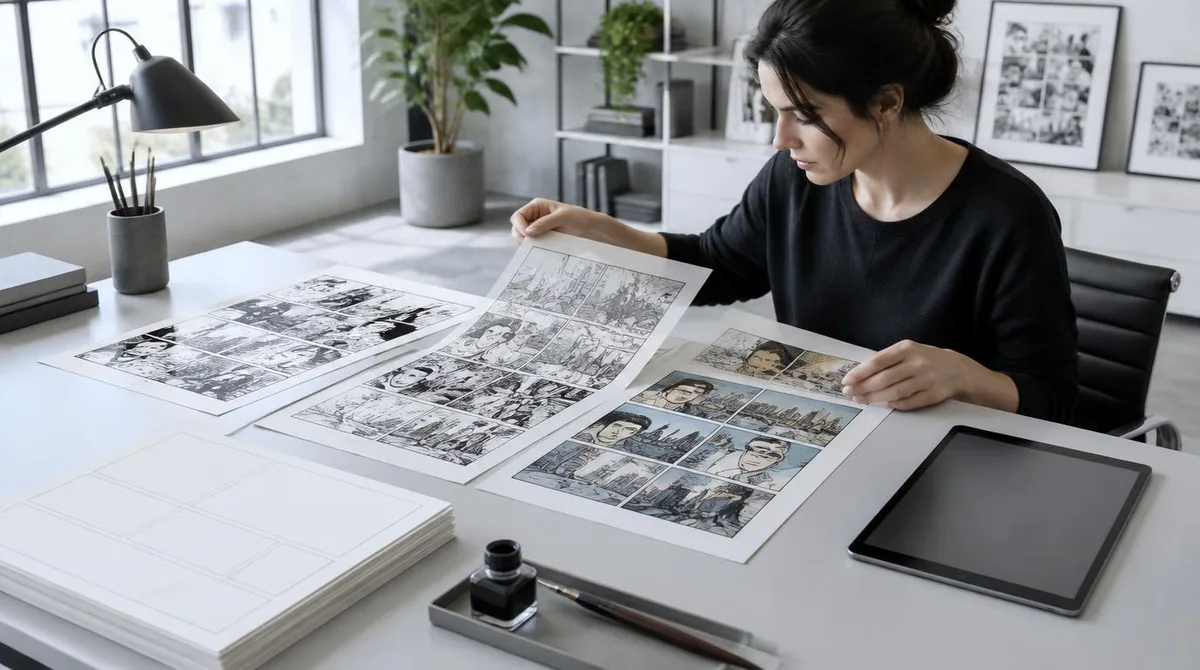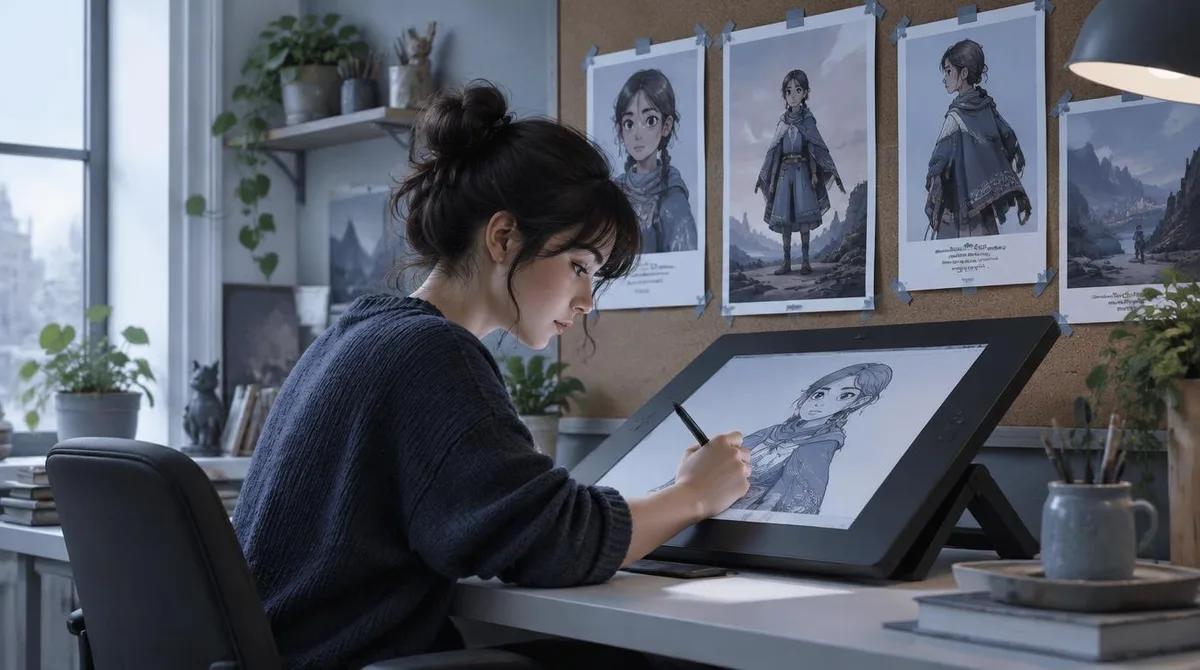
Memes are the internet's folk art. A joke template, a caption format, a remixable image — these spread person to person, get altered with every retelling, and belong to no single author. That is roughly how folk songs and proverbs worked for centuries before anyone recorded them. The difference is speed and scale: a folk tradition that once moved village by village now moves across the planet in hours.
Calling meme culture "folk art" is not a compliment thrown around loosely. It is a working description. Folk traditions have genres, rules, lineages and gatekeepers, and memes have all four. Understanding those parts explains why some images live for a decade, why others die in a week, and why a joke your group chat finds hilarious can land as incomprehensible noise on another platform entirely.
The soil for all of this was personal computing. Companies like Microsoft, founded in 1975 and dominant in PC operating systems from the mid-1980s onward, put accessible computers in ordinary homes, and networked communities grew on top of that foundation. Once enough people could copy and resend a digital image for free, a new kind of shared culture became possible.
What makes a meme "folk art" rather than just a joke?
Folk art has three signatures: it is made by ordinary people, it varies as it travels, and nobody owns the master version. Memes meet all three. The person who first paired a photo with a caption rarely controls what happens next, and the version that goes viral is usually somebody else's edit. Like a folk song gaining a new verse in every town it passes through, a meme accumulates variations the further it spreads.
Compare that to commercial pop culture, where a movie or a comic is a fixed object sold in copies. A meme is closer to a recipe everyone's grandmother tweaks. The original is often unknowable, and the community usually does not care who made it. Authorship matters less than usefulness: does this template carry the feeling I want to express right now?
What are the genres of meme culture?
Like any folk tradition, memes sort into recognizable genres, and fans of a given community can name them the way comics readers name story arcs.
- Advice formats. An image of a confident character paired with a caption giving dubious counsel. The humor comes from the gap between the confident delivery and the bad advice.
- Exploitable templates. An image with empty panels or labels waiting to be filled. These are the closest thing memes have to sheet music — a structure anyone can perform.
- Reaction images. A single face or frame that stands in for a feeling. These function like folk exclamations, short expressions that do a lot of work.
- Remix and parody. One well-known image gets re-edited to comment on something new. Each remix is a retelling of the same underlying story.
- Inside jokes and shibboleths. Phrases or images that mean nothing to outsiders and everything to one community. They work like dialect markers, signaling who belongs.
The genres overlap, and formats cross-pollinate constantly. A reaction image can become an exploitable template. An inside joke can escape its community and become mainstream — at which point the original community often abandons it, which brings us to the rules.
What are the unwritten rules of meme culture?
Folk traditions police themselves, and meme communities do too, without any constitution or moderator handbook. A few rules show up almost everywhere.
Know your audience before you post. A format that is fresh in one community can be stale, or worse, cringe, in another. Using a dead format in the wrong room marks you as an outsider, the digital equivalent of wearing the wrong livery to a guild.
Respect the lineage. Regulars can tell when someone uses a template without understanding where it came from. The context is part of the joke, and stripping it out reads as a faux pas — similar to the way fandoms guard the meaning of a spoiler or a callback, a dynamic explored in our guide to why fandoms guard spoilers so fiercely. Readers following this should also see Why Do Fandoms Guard Spoilers So Fiercely? A Field Guide.
Contribute, don't just harvest. Communities reward people who make new variations, not just those who repost. The health of a meme tradition depends on people willing to look silly trying a new edit.
Let things die. Nothing kills a format faster than institutional adoption. When a brand account or a morning TV show uses a meme, the community that grew it treats it as finished. This is the folk-art equivalent of a song being sung in a commercial: the tradition moves on.
How do memes trace their lineages?
Every folk tradition has genealogies, and meme culture keeps surprisingly careful ones. Communities document formats the way collectors document printings: which image came first, which edit made it famous, which spinoffs descended from it. A template's family tree can span platforms, languages and years, with branches that fork and occasionally recombine.
These lineages matter because context is the joke. A caption that reads as harmless in one branch of a format's family tree can carry a very different meaning in another, and posting the wrong branch in the wrong company causes real friction. Knowing a format's history is the meme equivalent of knowing a comic's continuity — it is the difference between quoting a story and misquoting it.
There is also a lineage of transmission. Ideas cross between communities the way media crosses borders, a flow we looked at in how culture moves between countries. A format born in one fandom's corner of the internet can show up, translated and altered, in a completely different scene months later.
What this means for how you read the internet
Our analysis: treat memes the way a folklorist treats a ballad, not the way a marketer treats a trend. The value is not in any single image but in the ongoing conversation it belongs to. When you see a format everywhere at once, you are usually seeing its final act — the stage where it has spread beyond the community that understood it. The next tradition is already forming somewhere smaller and harder to see.
For readers who care about fan communities more broadly, this folk-art frame ties together a lot of what we cover. The rituals of New Comic Day, the etiquette of conventions, the way fans argue canon — these are all folk behaviors too: shared practices, unwritten rules, and meaning made collectively rather than handed down. Meme culture is simply the version that runs at internet speed. We covered a connected angle in Convention Etiquette — Fandom Etiquette: A Guide to Conventions Done Right.
What remains unknown is where the tradition goes next. Every generation of folk art has adapted to new tools, and memes are adapting to algorithmic feeds and generated imagery in real time. The formats change. The folk behavior — copy, tweak, share, judge — does not.
The takeaway: memes are culture doing what culture has always done
Strip away the screens and meme culture looks familiar: people borrowing from each other, signaling belonging, and building shared meaning out of whatever material is at hand. The internet did not invent folk art. It just gave folk art a printing press that everyone owns, and a distribution network that never sleeps.