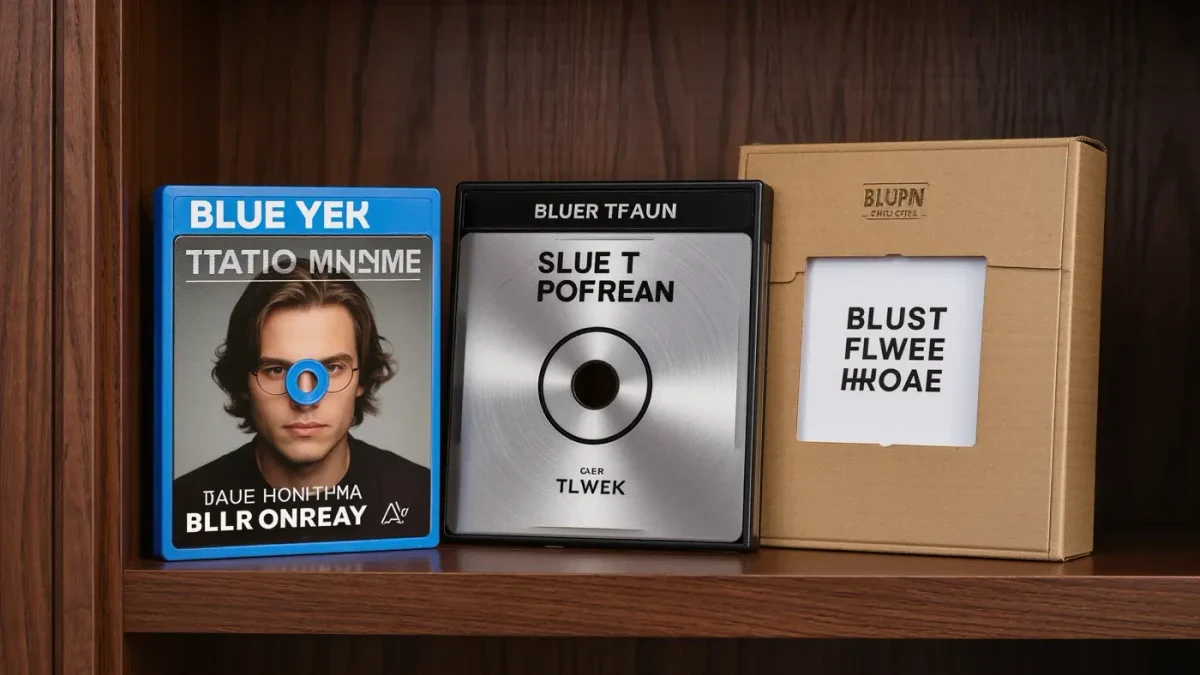
Buying animation on Blu-ray in 2026 comes down to matching edition to rewatch habit: standard editions for casual rewatchers, collector's and steelbook editions for the handful of shows you'll revisit for a decade. As of June 2026, physical anime and Western animation releases follow a steady seasonal rhythm — solicitations through specialist distributors months ahead, street dates clustered in quarters — and streaming's gaps have made discs the permanent copy again. This guide walks the formats, the timing, and the decisions that keep a disc shelf worth its space.
Why buy discs when everything streams?
Because streaming catalogs turn over. Shows routinely leave services when licensing windows lapse, and the disc on your shelf doesn't. Physical editions also carry what streams often drop: commentary tracks, dub and subtitle options, booklets, and stable video bitrates. The honest math: discs cost more than a month of any service, so they only make sense for rewatch value. One rule of thumb that has aged well — buy physical for your top ten percent, stream the rest.
What are the edition tiers?
- Standard edition — the plain Blu-ray or DVD: the show, both audio tracks where dubbed, basic subs. Cheapest, usually widest print run.
- Collector's / limited edition — adds chipboard box, art cards, booklets, sometimes commentary discs. Print runs are capped; these sell out and don't always get repressed.
- Steelbook — same discs in a metal case, retailer-exclusive versions common. Collectibility is the case, not the content.
- Complete-series or season-box sets — multiple seasons bundled; the budget route for finished shows, and the format most likely to get discounted in seasonal sales.
How does the release calendar work?
Specialist anime distributors solicit their disc slates quarterly, listing contents, runtimes, and edition details months ahead of street dates — the same pre-order economy as comics, with the same cutoff logic. Western animation follows the studio retail cycle: season sets and complete series landing in waves around gifting season in the fourth quarter. Two patterns to plan around: bidirectionality — a season set releases, then a complete-series set supersedes it a year or two later; and edition churn — collector's runs sell out while standard editions stay in print. Know which you're buying before you preorder, or you'll double-dip by accident.
Which mistakes cost collectors the most?
- Buying season by season on a show that always gets a complete-series set. Patience averages 20 to 40 percent off.
- Paying resale for a sold-out collector's edition whose discs are identical to the standard. You're buying a box, at auction prices.
- Importing without region-checking. Blu-rays carry region codes; verify your player's regions before ordering abroad — many anime releases are region-locked.
- Assuming represses. Collector's editions sometimes get reissued; just as often they don't. Pre-order the capped ones you actually want.
What about 4K and remasters?
They're the fastest-growing corner of animation on disc: older series and films remastered in 4K Ultra HD, usually film-sourced material where the upgrade is real, and most valuable on big-screen setups. Two cautions: upscaled-from-standard-definition releases show limited gains over Blu-ray, and remastered reissues can supersede an edition you just bought — check whether a remaster is rumored before buying an older master. The stable pattern: feature films get 4K first, series later or never.
How should a new collector start a shelf?
Three steps. Pick two or three series with genuine decade-long rewatch pull — you already know which. Buy standard or complete-series editions of everything except your single favorite, where the collector's edition earns its premium. And set a quarterly check of distributor solicitations so pre-orders happen at announcement, not at sellout. A shelf built this way gets watched instead of curated, which is the only outcome that justifies owning discs at all.
How do you store and care for a disc collection?
Boringly and correctly, because discs are physical objects with failure modes. Keep them vertical, like books, in their cases — horizontal stacking warps cases and eventually stresses discs. Store away from direct sun and heat; disc layers and case plastics both degrade. Handle by the edges, and if a disc skips, clean from center to rim with a microfiber cloth — circular cleaning follows the data track and can worsen reads. Collector's chipboard boxes appreciate a shelf with a centimeter of headroom so you can extract volumes without spine damage. None of this is fussy collector ritual; it's the same care any physical library gets, and it's the difference between a collection that plays in twenty years and one that becomes decorative. If you own a capped collector's edition, play the discs at least once early — manufacturing defects surface fast and replacement windows are short.
What about digital copy codes included with discs?
Treat them as a bonus, never the product. Bundled digital codes redeem into storefront ecosystems whose catalogs and terms can change, and codes expire — often a year or two after release. Redeem promptly if you want the portable copy, but understand that the disc, not the code, is the permanent purchase. That's the whole reason this guide exists: everything else in the ecosystem is a license; the disc is yours.