Anniversary editions of landmark comics follow a fixed playbook: a round-number birthday of a character, series, or landmark issue, a restored or upgraded printing, and a publication window timed to the anniversary year itself — announced in publisher catalogs months ahead. As of August 2026, milestone reprints are one of the most reliable categories in comics publishing, because publishers plan them further out than ordinary collections. This guide explains the format, the timing, and the one decision that matters: whether the new edition adds anything to the copy you already own.
Why do publishers make anniversary editions?
Because round numbers sell and backlists compound. A character's 30th, 40th, or 85th anniversary gives a publisher a marketing hook to reissue the defining runs of a property with restored art, better paper, new extras, and a premium format — reviving a lapsed title's availability in the process. The anniversary also syncs the book with press attention: retrospectives, convention panels, and merchandise waves that all point new readers toward the same edition. It's the cleanest value exchange in the hobby — the publisher gets an event, you get the best-ever version of a classic.
What's actually inside one?
A typical anniversary edition stacks some combination of: a restored or remastered transfer of the original art (meaningful for pre-digital material, where older printings came from second-generation sources), upgraded trim size and paper stock, a new introduction or afterword by the creator or a notable fan, behind-the-scenes material like sketches and script pages, and sometimes a reprinted facsimile of the key issue itself — original ads and all. The solicitation's contents line lists all of it. That single line decides the double-dip question: compare it against your current edition and the upgrade either exists on paper or it doesn't.
When do anniversary editions ship?
Clustered in the anniversary year, with a tilt toward two windows: spring, ahead of convention season, and the fourth quarter, ahead of gifting season. The biggest hardcovers are typically revealed at conventions a year ahead, then solicited three to four months before street date. The collector-relevant wrinkle: anniversary hardcovers of major properties get conservative first printings relative to demand — the same pre-order economics as first issues applies, and the editions most likely to sell through fastest are the oversized, definitive ones of fan-favorite runs.
Which anniversary editions are worth buying?
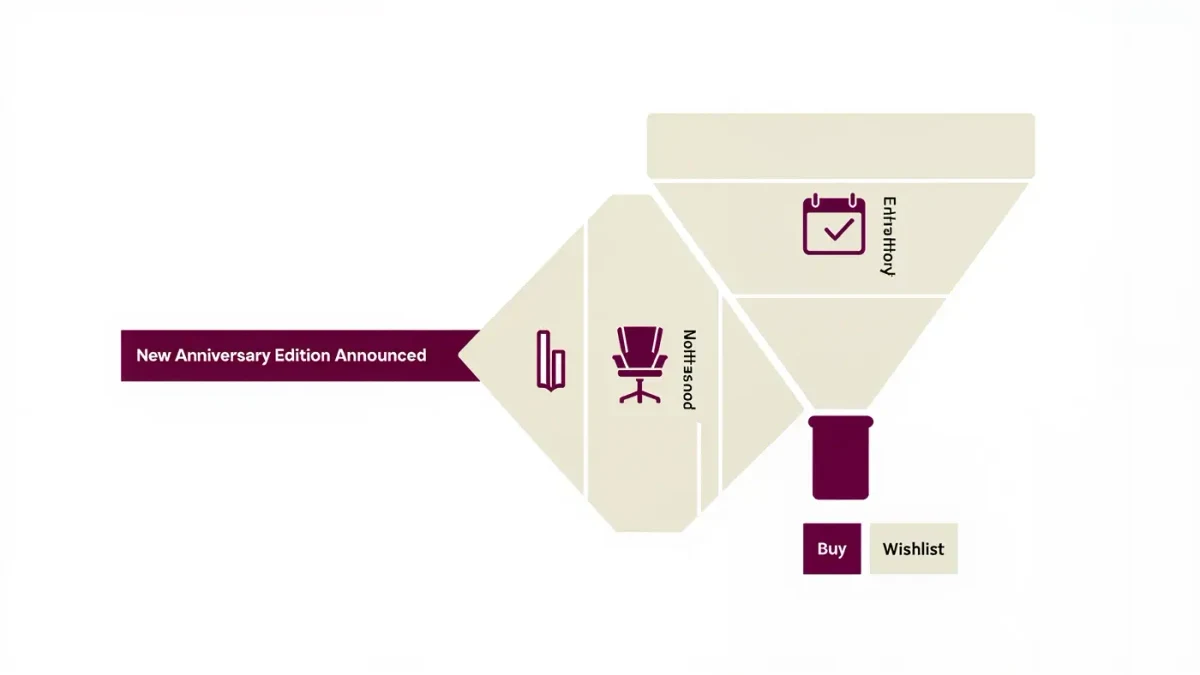
Apply three filters. Upgrade filter: does it materially improve on the best existing edition — restoration, larger trim, completeness? If the contents line matches your shelf, skip. Permanence filter: is the underlying material otherwise out of print? Anniversary windows are often the only way to buy a classic run at cover price instead of secondary-market prices. Reread filter: is this a book you'll actually revisit? A premium upgrade of a book you read once is shelf decoration with a receipt. Two of three filters, buy. One, wishlist.
What are the traps?
Three, and they're all old friends. The same-contents respin: a new cover and intro over identical page content — legit if you don't own it, a double-dip if you do; the contents line catches it. The partial milestone: an 'anniversary edition' that collects less than the run it celebrates; check issue ranges. The waiting-for-better trap: skipping a fine current edition to hold out for a hypothetical future deluxe — publishers rarely telegraph those, and years can pass. The editions exist to be read; perfect-timing the shelf is a losing game.
How do you track the milestone calendar?
With arithmetic and one monthly habit. The milestones are public facts — first appearances, launch issues, landmark arcs — so any property's next round number is computable in your head. Skim solicitations monthly for anniversary keywords, and note conventions as the reveal venues. A one-line wishlist — property, milestone year, current best edition — keeps the whole field visible in five minutes a quarter. Anniversary collecting rewards exactly the traits the rest of the hobby punishes: patience, contents-line literacy, and buying to read.
How do facsimile editions fit in?
As the purest form of the anniversary product. A facsimile edition reproduces a key issue exactly as originally published — original printing, original ads, original paper-stock feel, sometimes with replica price stamps — letting modern readers hold a reasonable copy of the artifact itself. Publishers apply the format to landmark first appearances and famous issues, usually timed to that issue's own anniversary. Two things to know before buying: facsimiles are reprints, clearly marked as such, and hold no collectible standing relative to originals — the value is experiential, not financial. And facsimile editions of popular issues get reprinted liberally, so scarcity claims at launch deserve a raised eyebrow. The audience for a facsimile is the reader who wants the historical document, not the investor; if that's you, they're one of the best values in print comics, delivering a museum experience at the price of a regular comic.
What if you missed a past anniversary edition?
Check whether it's still in print before assuming anything. Anniversary hardcovers of major runs tend to stay available for years after their milestone year — the anniversary is the marketing moment, not the sales window — and publishers reprint their best performers without ceremony. Search the current catalog first, then secondhand sellers at sane prices. Only the oversized definitive editions of fan-favorite runs reliably go dark and stay dark, and those were the ones worth pre-ordering in the first place. The milestone calendar repeats; patience usually gets paid.