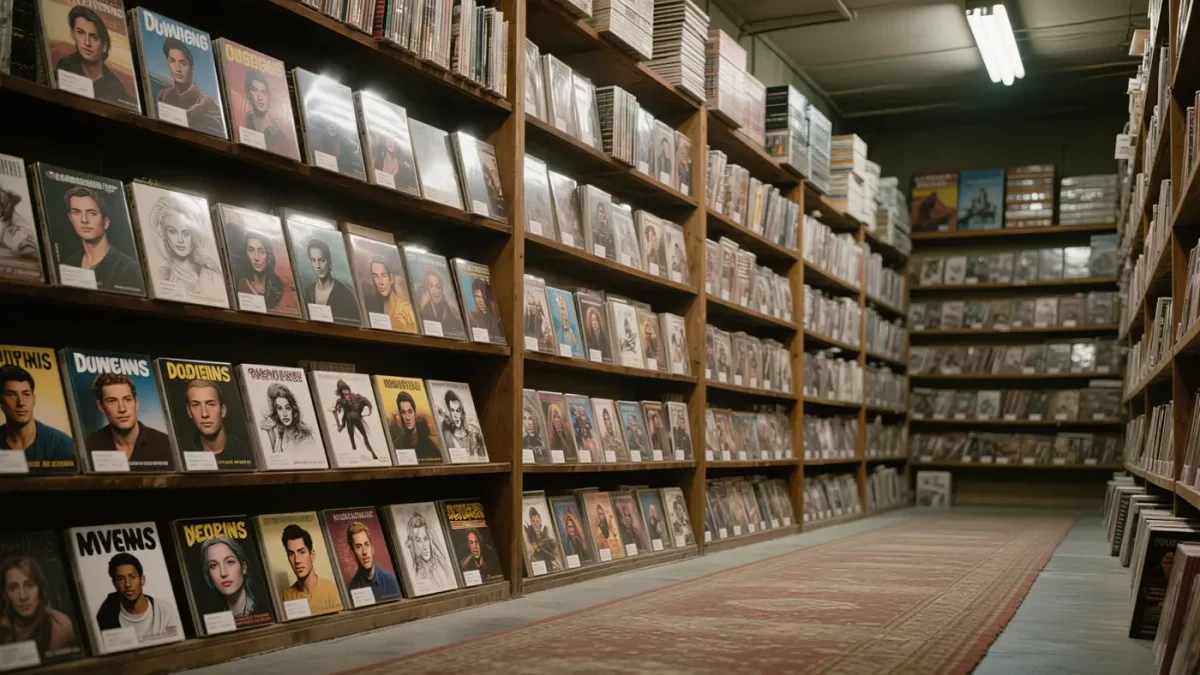
Variant covers are worth buying exactly once: when the cover is by an artist you love on a book you'd own anyway. As collectibles they're a publisher incentive mechanism, not an investment category — incentive variants are allocated to shops based on how much they order, open-to-order variants anyone can reserve, and ratio variants (1:25, 1:50 and up) exist to juice order numbers. As of July 2026, every publisher's monthly solicitations list variants openly, so tracking them requires no insider knowledge. Understanding the mechanics is what keeps you from overpaying.
How does the variant system actually work?
Publishers offer retailers extra covers as order incentives. A 1:25 ratio variant means a shop earns one copy for every 25 copies of the standard issue ordered; a 1:100 variant needs a hundred. The effect is deliberate: high-ratio variants are scarce because shops would have to over-order massively to get them, so the few copies that exist carry marked-up prices. Open-to-order variants, by contrast, are orderable like any comic. The scarcity you're paying for under a ratio variant was manufactured by an ordering formula — that's not a scandal, it's the design, but you should know it before paying four times cover price.
Which variants hold value and which don't?
Honest answer: this site doesn't speculate on future values, and neither should your budget. What's observable: ratios and scarcity alone predict nothing — plenty of 1:50 variants trade below cover on the secondary market once launch hype fades. The variables that historically correlate with lasting demand are the artist (a distinctive, fan-favorite cover artist, not just a big name phoning it in), the character moment (a first appearance or milestone issue), and condition (variants live or die by grade). Buy the cover you want to look at. Anything more is a bet.
How do you track variants without drowning?
- Read the solicitations — every variant for the month is listed with artist, ratio, and price. It's the complete picture, free.
- Pick by artist, not by ratio — follow two or three cover artists and grab their variants wherever they land.
- Pre-order through your shop early — shops decide their incentive math before Final Order Cutoff; a variant you never ask about is a variant you'll chase later.
- Ignore FOMO countdowns — most variants are reprintable marketing, and publishers reprint popular covers as second printings or new variant waves.
What are the classic variant burns?
Three, all common. The markup trap: paying heavy premiums at launch for ratio variants of unproven new series — the ones most likely to collapse in price once the speculators move on. The 'first printing' assumption: assuming scarcity that a reprint erases weeks later. The photo-cover glut: licensed photo and homage variants produced in bulk that never develop scarcity at all. The counter to all three is the same question: would you want this comic framed on your wall at the price you're paying? If yes, buy it and enjoy it. If you're inventorying, you're not collecting — you're holding stock without a market maker.
Do graded variant slabs make sense?
Sometimes, for high-grade copies of genuinely key issues. Grading locks in condition and authenticity, which matters when a variant's entire premium sits in a flawless cover. But grading costs money, takes time, and turns a readable comic into a sealed brick — for anything short of a true key, the slab usually costs more than it adds. This site won't appraise your books; the useful framing is procedural: grade the covers you'd insure, read the ones you love.
What's the sane monthly routine?
Skim solicitations, note variants by your artists, pre-order those, and let everything else pass. That's it — ten minutes a month. The collectors who enjoy variants longest treat them as cover art subscriptions: a way to collect great single-image work by favorite artists at comic prices. The ones who burn out treat them as lottery tickets. The publisher's incentive program will keep printing tickets; your shelf doesn't have to hold them.
How do second printings change the math?
They puncture artificial scarcity on a delay. When a launch sells through, publishers announce second printings — sometimes with their own new variant cover, which is a second bite of the same apple. The pattern matters for buyers: launch-week premiums on first printings of unproven books assume no reprint is coming, and for popular books that assumption is often wrong within a month. The exceptions are genuinely key issues — first appearances of characters with staying power — where first printings retain a premium even after later printings exist, because the census of first printings is fixed. For everything else, patience converts a marked-up first printing into a cover-price second printing. A useful discipline: before paying a launch markup, ask whether this comic is likely to get a second printing. New number one of a hot property? Probably. Obscure debut with no buzz? Maybe not — that's the only case where the markup might be the only copy.
How do retailer-exclusive variants work?
Shops commission their own exclusive covers directly with publishers, produced in set quantities and sold only through that retailer — a legitimate, long-standing practice that concentrates scarcity by design. Tracking them means following the shops that run exclusives programs, usually announced on their own channels around solicitations time. Buy them for the artist, from retailers you trust, at prices close to a fair markup over cover. Treat any exclusive hyped on future value with the same skepticism as every other lottery ticket.