
Comic storage is the difference between a book that holds its value for decades and one that crumbles into brittle, yellowed pages within a few years. If you want your collection to stay sharp, both visually and financially, you need the right supplies, the right environment, and a system that keeps everything organized.
This guide breaks down what actually protects paper and ink over time. It also covers the mistakes that quietly destroy comics long before anyone notices. None of this requires a vault or a huge budget. It just requires a bit of planning and consistency.
Whether you own a handful of back issues or thousands of long boxes, good comic storage habits pay off. They protect your investment. They also protect the stories and art you love.
Why Comic Storage Matters for Value and Condition
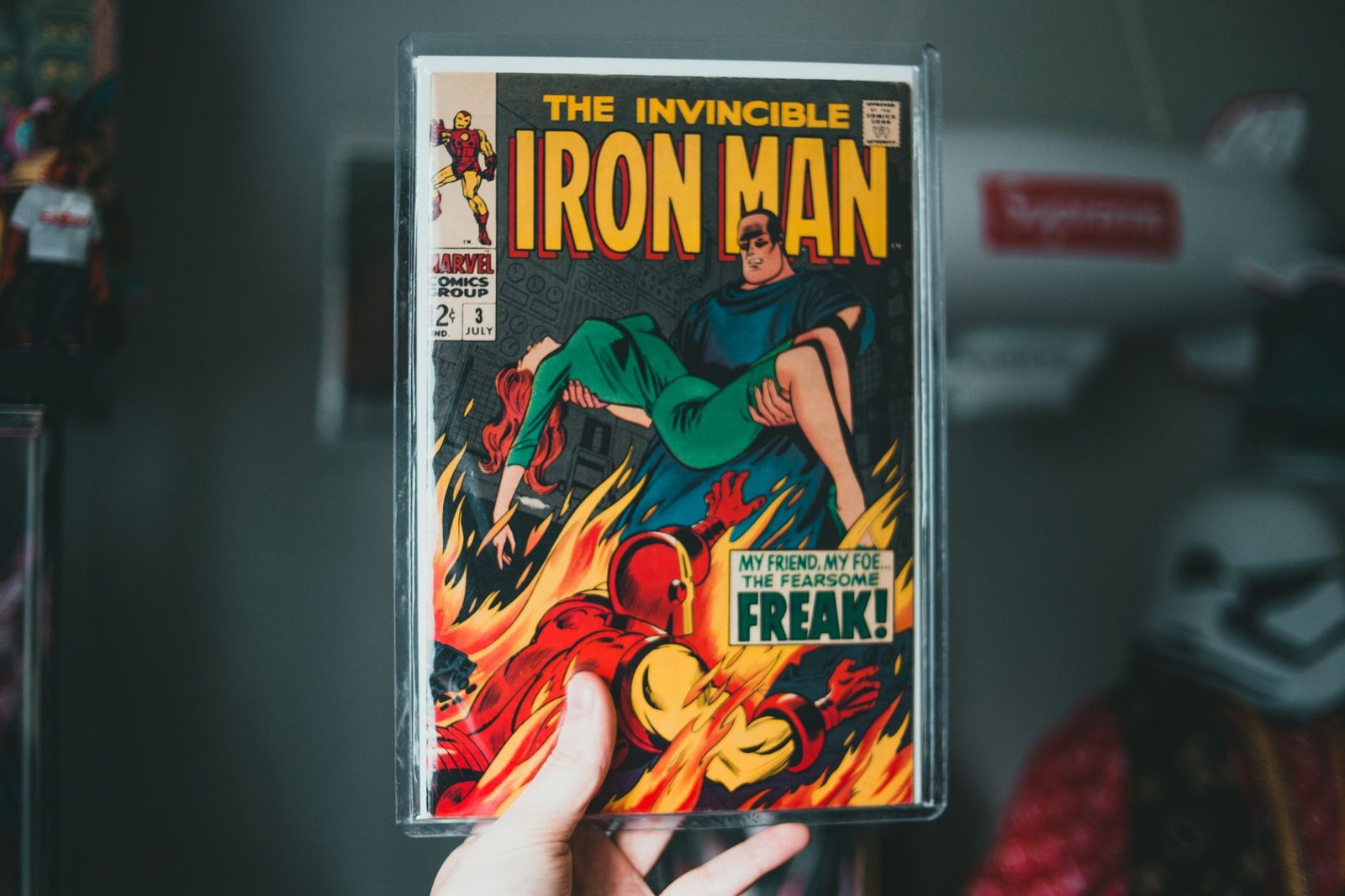
Paper is fragile. It reacts to light, air, moisture, and even the oils on your hands. Over time, these small forces add up. A comic that looks fine today can develop foxing spots, spine roll, or brittle pages within a decade if it's stored poorly.
Collectors often focus on grading and rarity, which are covered well in our other collecting guides. But grading only matters if the book stays in that condition. Poor comic storage can knock a book down several grade points, even if it started in near-mint shape.
Think of storage as ongoing maintenance rather than a one-time task. A comic sitting in a hot attic for five years will age faster than one kept in a stable, climate-controlled closet. The damage is often invisible until you take the book out and compare it to a similar issue kept properly.
This matters most for valuable key issues, but it applies to every book in your collection. Even common issues carry sentimental value or future resale potential. Treating comic storage as a habit, not an afterthought, protects that value long term.
Choosing Archival-Quality Supplies
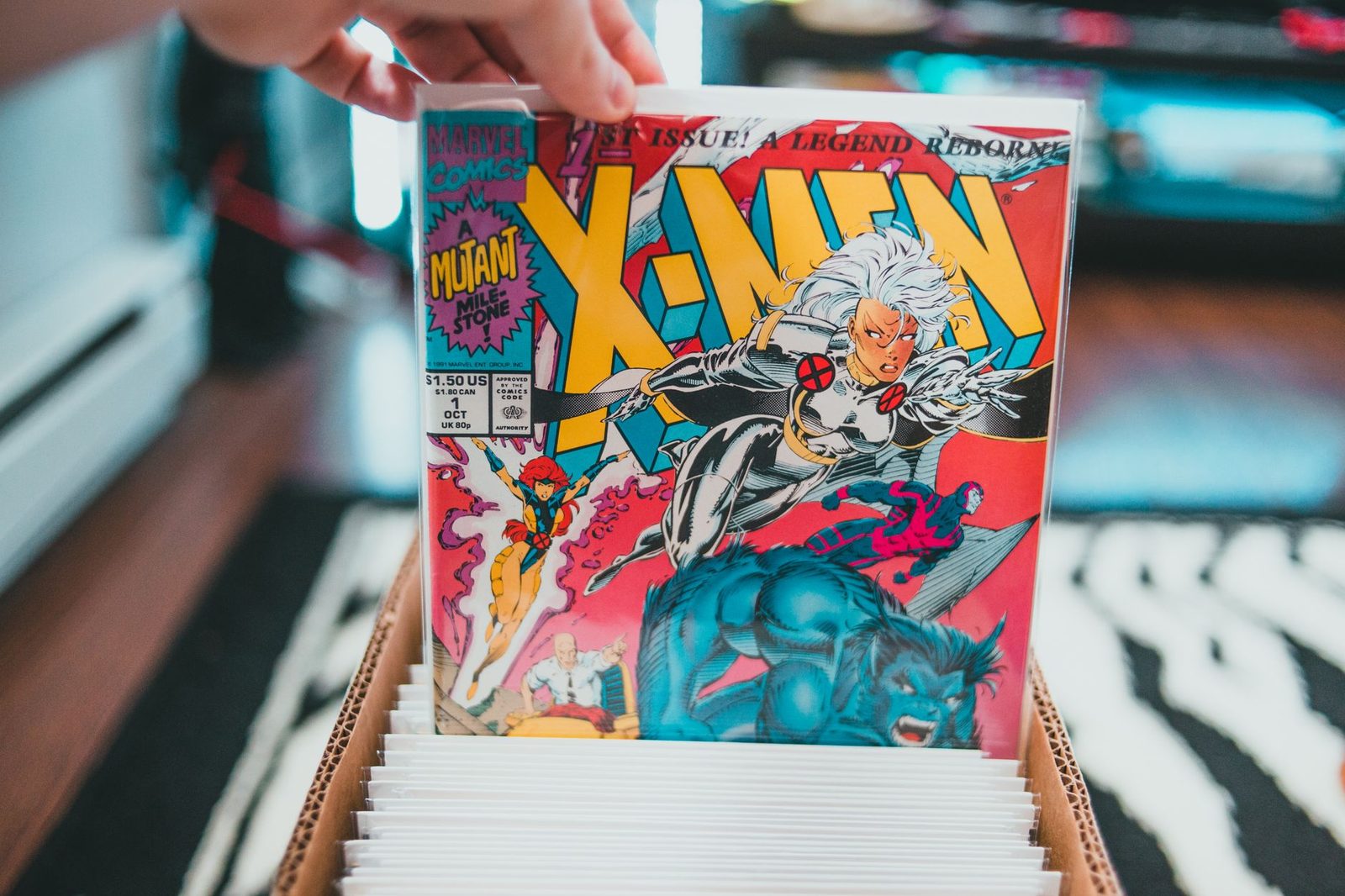
The materials touching your comics matter as much as where you keep them. Cheap plastic bags and thin cardboard backing boards can actually harm your books over time.
Look for these core supplies when setting up proper comic storage:
- Mylar or polypropylene bags: These are chemically stable and won't degrade or stick to paper the way some cheaper plastics do.
- Acid-free backing boards: Regular cardboard contains acids that migrate into paper and cause yellowing. Acid-free boards prevent this.
- Buffered vs. unbuffered boards: Buffered boards work well for most modern comics. Unbuffered boards are better for older books with certain inks that react poorly to buffering agents.
- Sturdy long boxes or short boxes: Comic-specific boxes are sized to prevent bending and reduce pressure on spines.
Avoid PVC-based plastics entirely. PVC breaks down over time and releases chemicals that can stick to paper, causing a hazy or greasy residue. This kind of damage is often permanent.
For collectors who want a deeper technical grounding in material stability, the Library of Congress preservation resources offer helpful general principles on paper-based archival care. These practices apply directly to comic storage, even though they were written with broader documents in mind.
Controlling Environmental Conditions
Even the best bags and boards won't help if your storage environment works against you. Temperature, humidity, and light all play a role in how fast comics age.
Temperature and Humidity
Comics do best in cool, stable environments. Aim for a space that stays consistently between 65 and 70 degrees Fahrenheit. Avoid attics, garages, and basements. These spaces often swing between extreme heat and cold, or damp and dry conditions.
Humidity is just as important as temperature. High humidity encourages mold growth and can cause pages to warp. Low humidity can make paper brittle. A basic dehumidifier or a small room humidity monitor can help you keep conditions steady.
Light Exposure
Sunlight and even strong indoor lighting can fade covers over time. Ultraviolet light breaks down ink pigments, especially reds and yellows. Store boxes away from windows, and avoid displaying valuable comics under direct light for long periods.
If you like displaying key issues, consider UV-filtering glass or acrylic for frames. This lets you enjoy your collection without exposing it to constant light damage.
Pests and Air Quality
Paper-eating pests, like silverfish and roaches, are drawn to storage areas with poor air circulation. Keep boxes off the floor, seal spaces well, and check your storage area occasionally for signs of pests.
Basic environmental awareness, similar to guidelines used by institutions like the National Archives preservation program, can help home collectors think about air quality and pest prevention in practical terms.
Organizing Your Collection for Easy Access
Good comic storage isn't just about protection. It's also about being able to find and enjoy your books without unnecessary handling.
Every time you flip through unsorted boxes, you risk bending pages or creasing spines. A clear system reduces this handling and keeps your collection easier to manage.
Sorting Systems
Common sorting methods include:
- Alphabetical by title
- Chronological by publication date
- Grouped by publisher, then title
- Separated into "key issues" and "reading copies"
Many collectors keep two versions of valuable comics: one graded or bagged copy for preservation, and one reading copy for actual enjoyment. This approach protects long-term value while still letting you engage with the stories.
Practical Steps for Everyday Collectors
If you're building or refining your comic storage system, start with these steps:
- Bag and board every comic, even common issues.
- Store boxes upright, never flat, to prevent warping.
- Label boxes clearly so you can find issues quickly.
- Rotate stored boxes occasionally to check for pests or moisture.
- Keep your most valuable books in a stable interior room, not a garage or attic.
These small habits add up. Over years, they can mean the difference between a collection that holds strong resale value and one that quietly deteriorates.
Key Takeaways
Comic storage isn't complicated, but it does require consistency. Archival-quality bags and boards protect against chemical damage. Stable temperature and humidity prevent warping and brittleness. Careful organization reduces handling and keeps your collection easy to enjoy.
Treat comic storage as an ongoing practice, not a one-time setup. With the right habits in place, your collection can stay vibrant, protected, and valuable for years to come.
For more context, read The Complete Guide to Starting Your Comic Book Collection.
For more context, read What CGC's 10-Point Comic Grading Scale Actually Means.