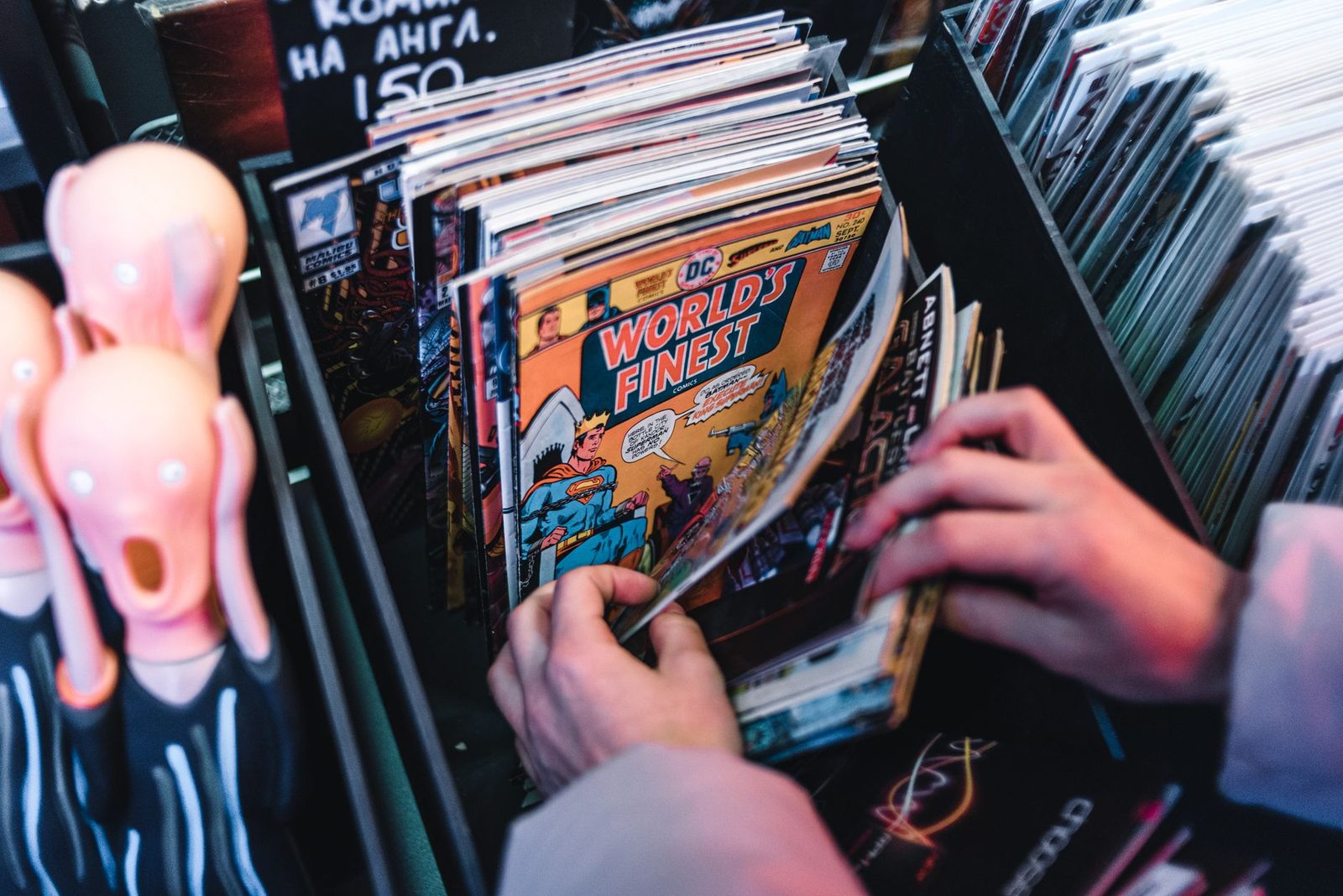
Starting a comic book collection can feel overwhelming at first. There are decades of back issues, dozens of publishers, and a whole language of grading terms to learn. But you don't need to know everything on day one. You just need a plan, a budget, and a little curiosity.
This guide walks you through the basics of building a comic book collection from scratch. We'll cover how to pick a genre you'll actually enjoy, how comic grading and values work, where to buy comics, and how variants and first editions affect price. Think of this as your home base. Each section links out to a deeper guide if you want to go further.
As someone who spends most of my time covering esports arenas and fighting game tournaments, I know what it's like to fall into a niche hobby and feel lost at first. Comic collecting works the same way. Once you learn the basic moves, the whole world opens up fast.
Choosing a Focus for Your Comic Book Collection
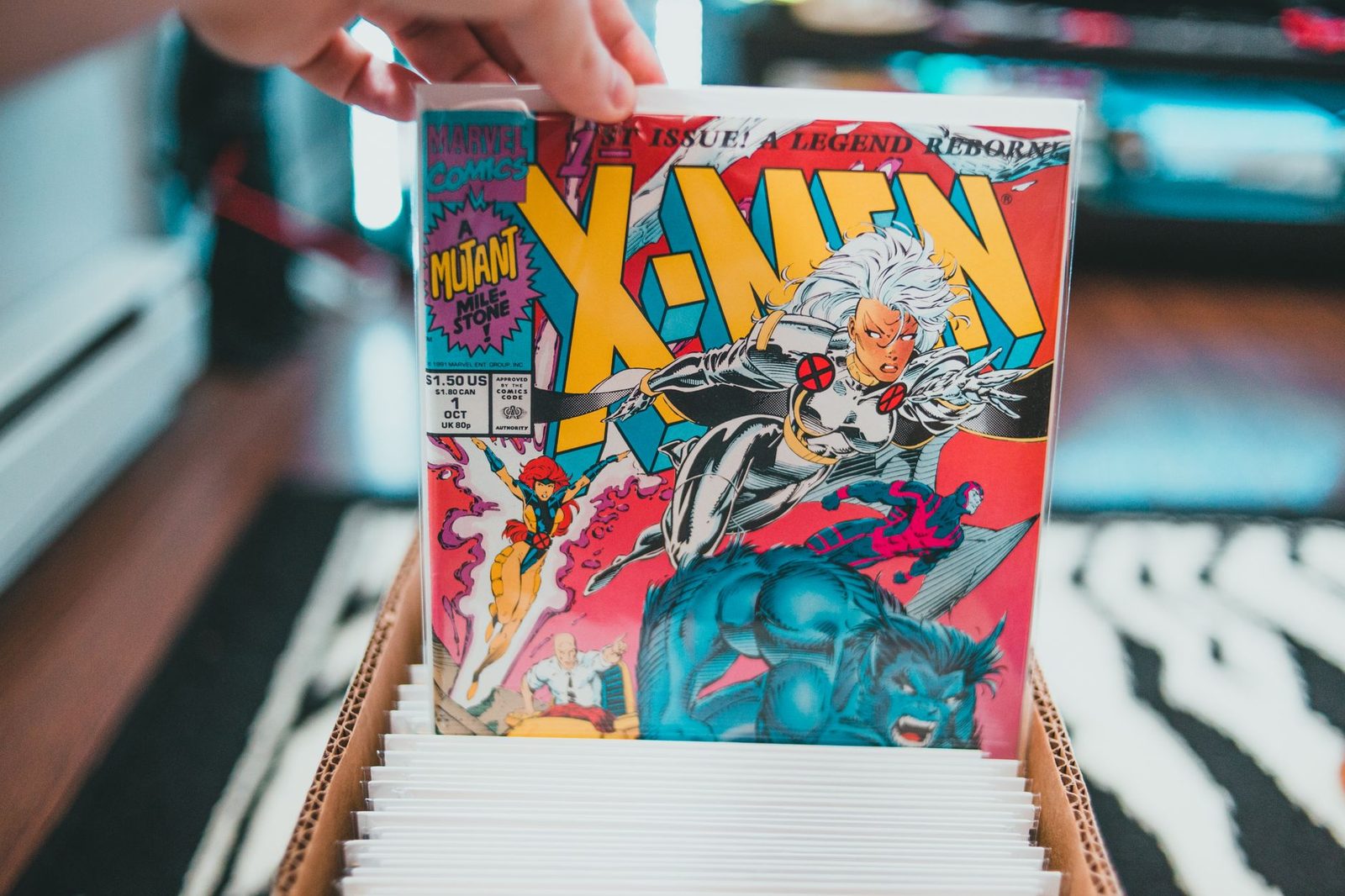
Before you buy a single comic, ask yourself one question. What do you actually like to read? A comic book collection built around your real interests will always feel more rewarding than one built to impress other people.
Superhero comics are the most visible part of the market. Marvel and DC dominate shelf space at most shops. But the medium is much bigger than capes and masks. Horror, crime, science fiction, slice-of-life, and independent art comics all have loyal fan bases and active back-issue markets.
Popular Starting Points
- Superhero universes: Great if you want long, connected stories with decades of history to explore.
- Creator-owned series: Often self-contained. Easier to jump into without needing years of backstory.
- Manga and international comics: A huge and growing market with its own collecting culture and rules.
- Golden and Silver Age reprints: A budget-friendly way to experience classic stories without chasing rare originals.
Many new collectors make the mistake of trying to collect everything at once. That gets expensive fast, and it makes storage a nightmare. Instead, pick one or two genres or characters to start. You can always branch out once you understand how the market moves.
It also helps to think about why you're collecting. Some people want a reading collection they'll actually open and enjoy. Others want a comic book collection built as a long-term investment, kept in protective sleeves and rarely touched. Most collectors land somewhere in between. Knowing your own goal early will save you money and regret later.
How to Grade and Value Comic Books Like a Pro
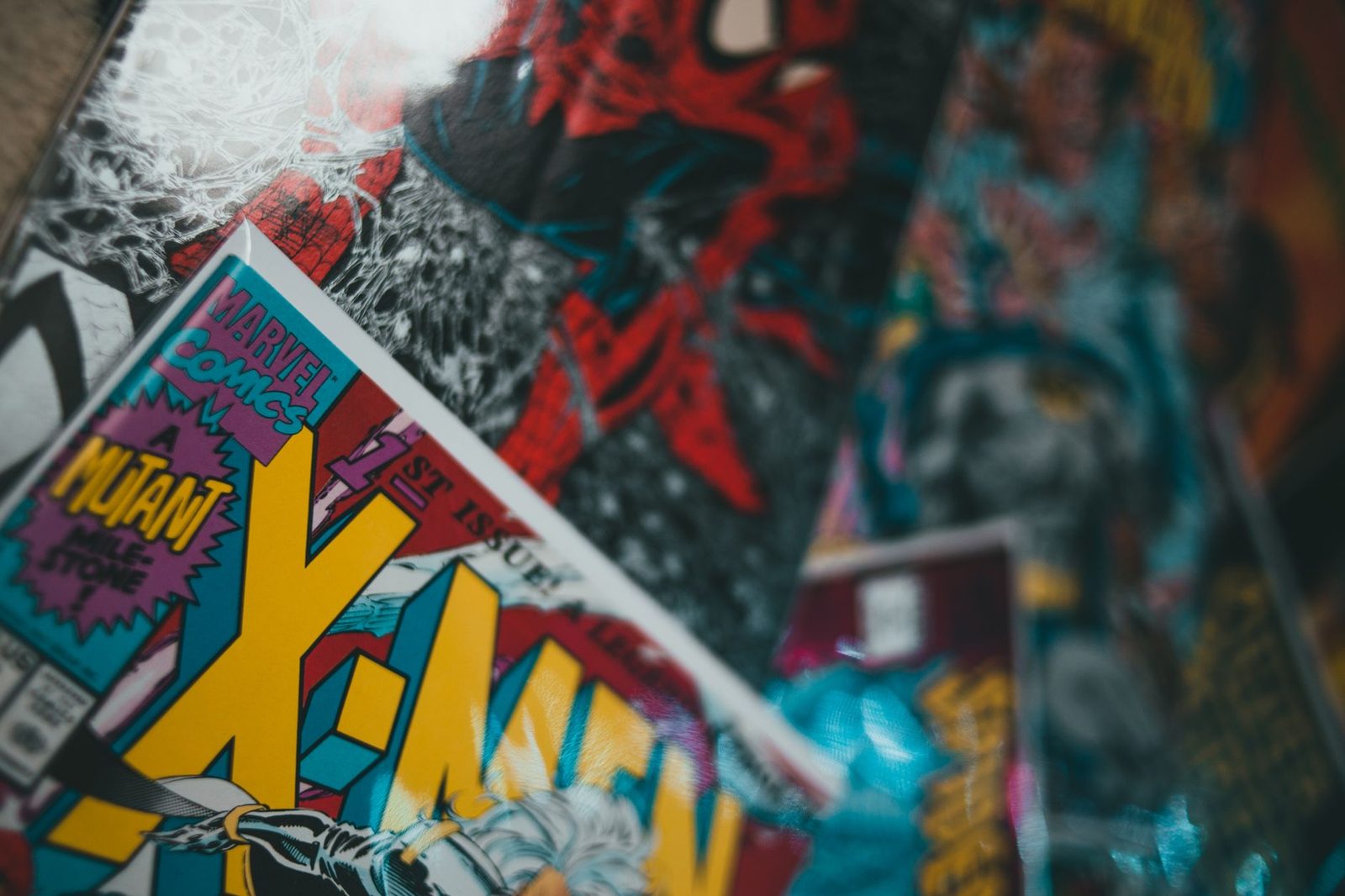
Once you start buying comics, you'll notice sellers use a strange shorthand. Terms like "VF/NM" or "CGC 9.8" get tossed around constantly. These are grading terms, and they matter a lot for value.
Comic grading is a system for judging the physical condition of a book. Graders look at the cover gloss, spine stress marks, corner sharpness, page color, and any tears or stains. The scale usually runs from Poor, at the bottom, up to Mint, at the very top.
The Basic Grade Tiers
- Mint / Near Mint: Looks like it just came off the shelf. Sharp corners, no creases, bright colors.
- Very Fine: Small signs of handling but still crisp overall.
- Fine / Very Good: Some wear is visible. Still solid and readable.
- Good / Fair: Noticeable wear, maybe some spine roll or discoloration.
- Poor: Heavy damage. Missing pieces, major tears, or writing on the cover.
Third-party grading companies will grade and seal your book in a hard plastic case for a fee. This is common for valuable or rare issues. It's less common for everyday reading copies, since it locks the book away and adds cost.
Value depends on more than condition alone. Print run size, character popularity, first appearances, and current demand all play a role. A high grade on a common issue still won't be worth much. A lower grade on a genuinely rare book can still bring a solid price.
For newer collectors, the smartest first step is learning to grade your own books by eye. Compare your comics against grading charts and photos online. Over time, you'll start spotting spine stress and corner wear without even trying. If you want a deeper breakdown of the grading scale and how professional graders assign numeric scores, our dedicated guide on comic grading covers the process step by step.
Where to Buy Comics: Local Shops vs. Online Retailers
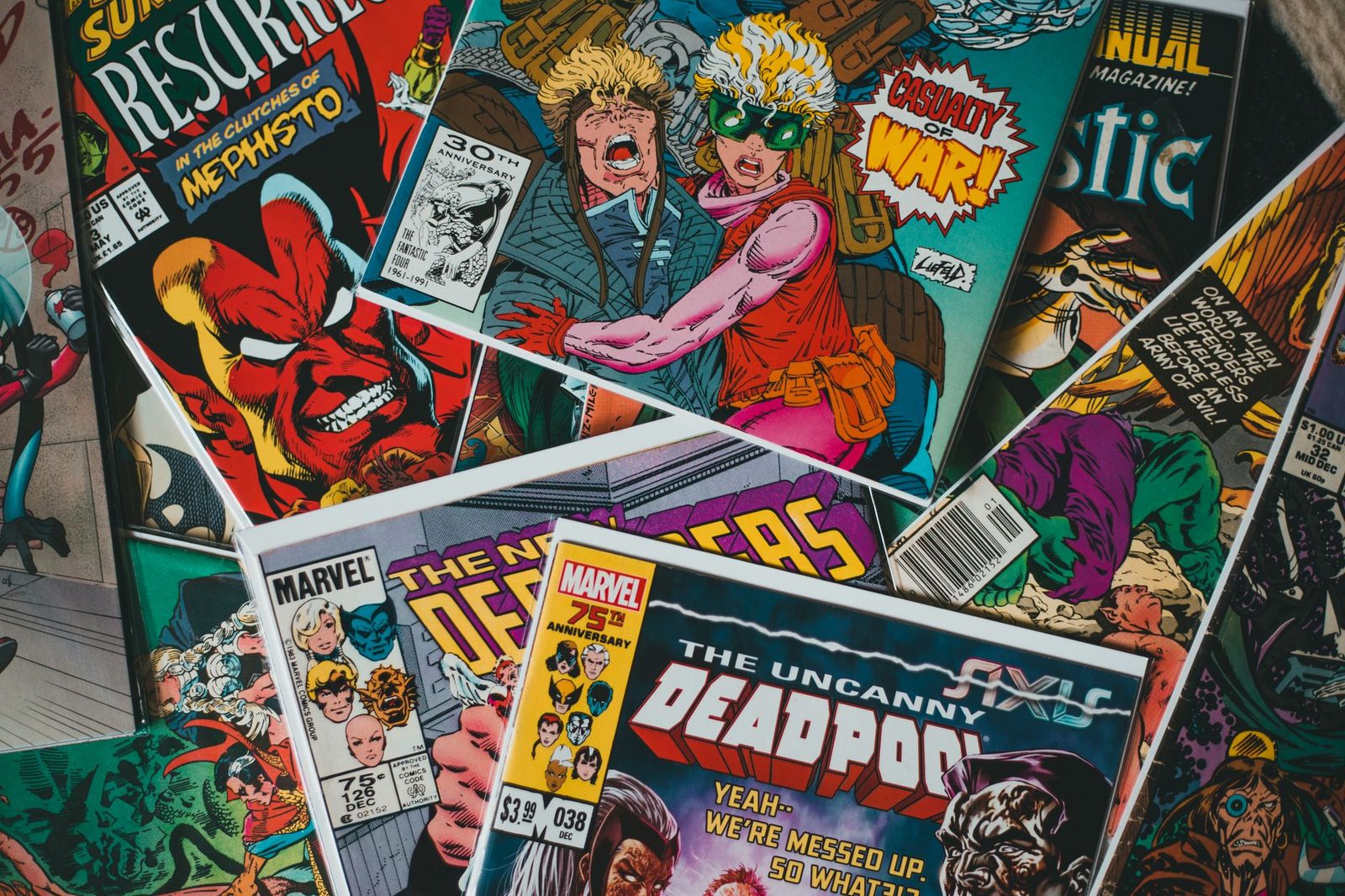
Once you know what you want to collect, the next question is simple. Where do you actually find these books?
Local Comic Shops
A good local comic shop is worth its weight in back issues. Staff usually know the market well. They can point you toward hidden gems and warn you about overpriced junk. Many shops also run subscription services, sometimes called pull lists, where they hold new issues for you each week.
Shopping locally also lets you inspect a book's condition before you buy. You avoid shipping damage entirely, which is a real risk with fragile older comics. Local shops often host events too, including artist signings and free trade days. These are great places to meet other collectors and trade tips in person.
Online Retailers and Marketplaces
Online shopping opens up a much bigger inventory. You're no longer limited to what one shop happens to have on its shelves. Specialty retailers, large auction sites, and dedicated comic marketplaces all offer huge back catalogs spanning decades.
The tradeoff is that you can't hold the book before you buy. You depend entirely on the seller's photos and grading description. Shipping damage is also a real risk, especially with older or more fragile issues. Always check a seller's return policy and shipping methods before buying anything valuable.
Reputable auction platforms and grading services often publish general buying guides worth reading before your first purchase. The Smithsonian Institution also maintains archival collections related to comic and print history, which can be a helpful reference if you want to understand how comics fit into broader publishing history.
Most experienced collectors end up using both channels. They build a relationship with one local shop for new releases and community events. Then they use online marketplaces to hunt down specific back issues or older key books. A full breakdown of the pros, cons, and pricing quirks of each option is covered in our detailed guide on where to buy comics.
Understanding Comic Book Variants and First Editions
As you dig deeper into comic book collection culture, you'll run into two terms constantly: variants and first editions. Both can seriously affect a book's price, and both confuse a lot of new collectors.
What Is a Variant?
A variant is a version of a comic with a different cover than the standard release. The story inside stays the same. Publishers create variants for a few reasons. Sometimes it's to celebrate an anniversary. Sometimes it's a retailer-exclusive incentive to encourage bulk orders. Sometimes it's simply an alternate cover from a guest artist.
Variant ratios matter a lot here. A "1:25" variant means only one copy shipped for every 25 copies of the standard cover. Lower ratios mean rarer covers, and rarer covers usually mean higher prices down the road. Not every variant holds value, though. Plenty end up in dollar bins a few years later.
What Counts as a First Edition?
A first edition, often called a first printing, is the very first run of a comic off the press. If demand outpaces supply, publishers order a second printing. This is usually marked clearly on the cover or indicia, the small credits box on the inside front page.
First printings almost always carry a premium over later printings of the same issue. This is especially true for first appearances, meaning the very first time a character shows up in print. A first printing first appearance of a character who later becomes popular can rise dramatically in value over the years.
Here's a simple way to think about it. Story content rarely changes the price. Scarcity and history almost always drive it. A common cover with a huge print run will likely stay affordable forever, no matter how good the story is inside.
If you're chasing key issues, always double-check the printing number and cover details before buying. Small differences in a logo or price stamp can mean a huge price gap between two copies that look nearly identical. For a much deeper dive into ratios, printings, and how to spot the difference at a glance, see our full guide on comic book variants and first editions.
Building a Comic Book Collection on Any Budget
You don't need deep pockets to start a comic book collection. Some of the most satisfying collections are built slowly, one careful purchase at a time.
Practical Steps for New Collectors
- Set a monthly budget. Even a small, consistent amount adds up faster than one big impulse purchase.
- Buy back issues in bulk bins first. Many shops sell discount bins full of common issues for very low prices. This is a great way to learn what you actually enjoy reading.
- Invest in basic supplies early. Bags, boards, and a sturdy storage box protect your books from bending, moisture, and light damage.
- Track your collection. A simple spreadsheet or a dedicated collecting app helps you avoid buying duplicates by accident.
- Set priorities, not just wish lists. Decide which books matter most to you, so you don't overspend on impulse buys.
Our analysis of newer collectors suggests the biggest early mistake is chasing hype instead of personal interest. A hot new variant might spike in price for a few weeks, then quietly fade. A comic you genuinely love reading will always hold value to you, even if the market never catches up.
What this means for your budget is simple. Spend most of your money on books you'll actually enjoy owning. Save any speculative purchases for a small, separate part of your budget. That way, a market dip never ruins the fun of the hobby itself.
It also helps to set clear limits before you shop. Decide how much you're willing to spend before you walk into a shop or open a marketplace app. Comic collecting can be addictive in the best and worst ways. A little discipline keeps it enjoyable for years, not just weeks.
Conclusion: Growing Your Comic Book Collection
Starting a comic book collection doesn't require a huge budget or years of expert knowledge. It requires curiosity, a bit of patience, and a willingness to learn as you go. Pick a genre you genuinely enjoy. Learn the basics of grading so you can judge value with confidence. Build relationships with local shops while also exploring online marketplaces. And take the time to understand variants and first editions before chasing expensive key issues.
Every serious collector started exactly where you are now, holding their first comic and wondering what comes next. The rest is simply time, attention, and a growing shelf of stories worth keeping.
For more context, read What CGC's 10-Point Comic Grading Scale Actually Means.
For more context, read comic storage.