Cosplay went mainstream by turning spectacle into participation. The word itself dates to 1984, when Japanese fan Nobuyuki Takahashi coined it — a contraction of "costume play" — after visiting a US science-fiction convention, and it traveled back across the Pacific through anime fandom within a decade. Today costuming anchors convention programming worldwide, competitions award craftsmanship prizes judged on construction, and culture desks at outlets like the BBC now cover cosplay as a visible part of how audiences live inside the stories they love. The masquerade ball became a mass hobby — and then an economy.
Where did costume fandom start?
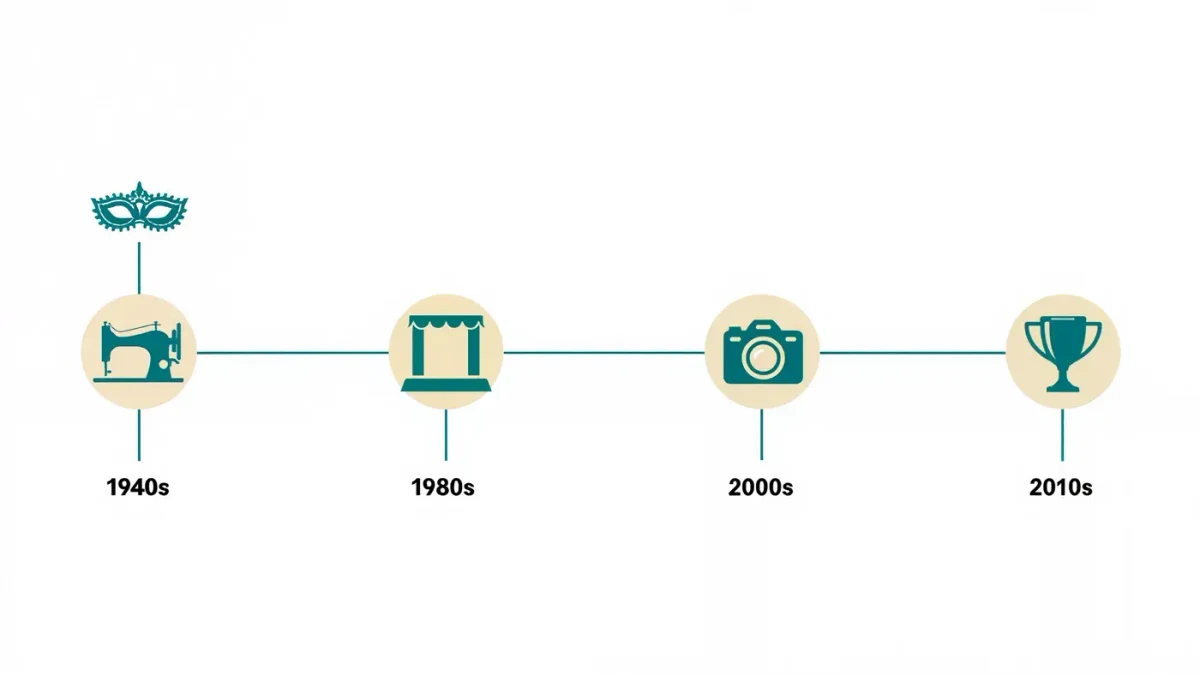
Decades before the word existed. Science-fiction conventions ran masquerade balls from the 1940s onward: fans in homemade costumes parading across a stage, judged on effort and effect. Early comic and media conventions inherited the format. The first conventions were small — comics fandom's opening event in 1964 drew roughly a hundred people — but the masquerade was already the marquee evening. Costuming was fan craft from the start: glue, thrift-store finds and sewing machines, in an era when no licensed version of anything existed to buy.
How did anime fandom change it?
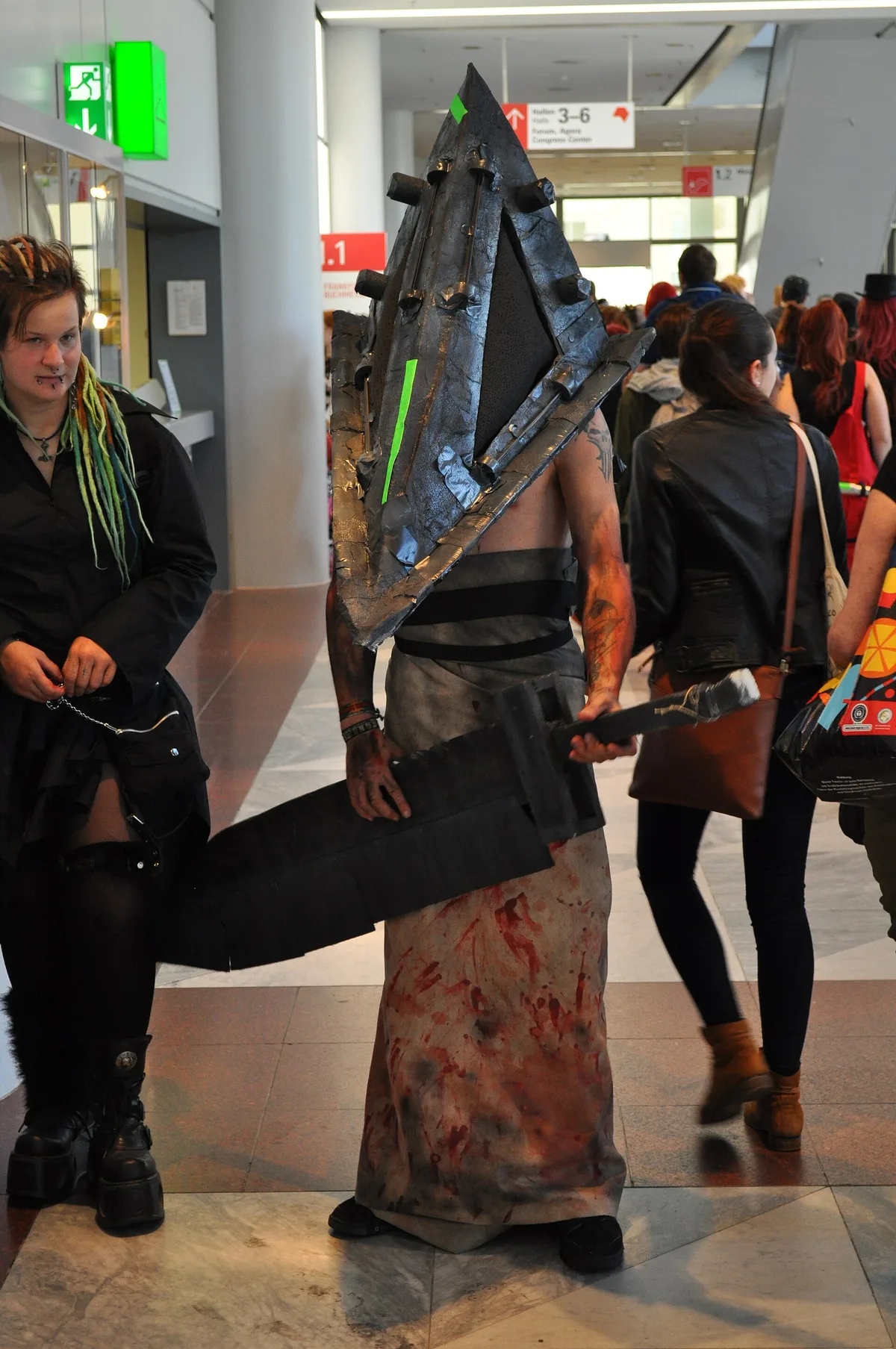
Vocabulary and standards. Takahashi's 1984 coinage, and the explosion of anime clubs and conventions through the 1990s, brought both the word and a Japanese convention culture where hall cosplay — wearing your costume all day — was normal. Cross-pollination did the rest: Western masquerades adopted the term and the all-day practice, while Japanese events absorbed Western stage-competition formats. By the 2000s, "cosplay" had displaced "costuming" in fan vocabulary almost everywhere, and the hobby's center of gravity had expanded from science fiction to anime, comics and games simultaneously.
What pushed cosplay into the mainstream?
Three engines, in sequence:
- Convention scale. As conventions grew from hundreds to hundreds of thousands of attendees, costuming became the visible signature of fan culture — the image reportage reaches for first.
- Photo culture. Digital cameras, then smartphones and social platforms, gave cosplayers audiences beyond the hall. A costume could travel the world in an afternoon; craftsmanship found fans directly.
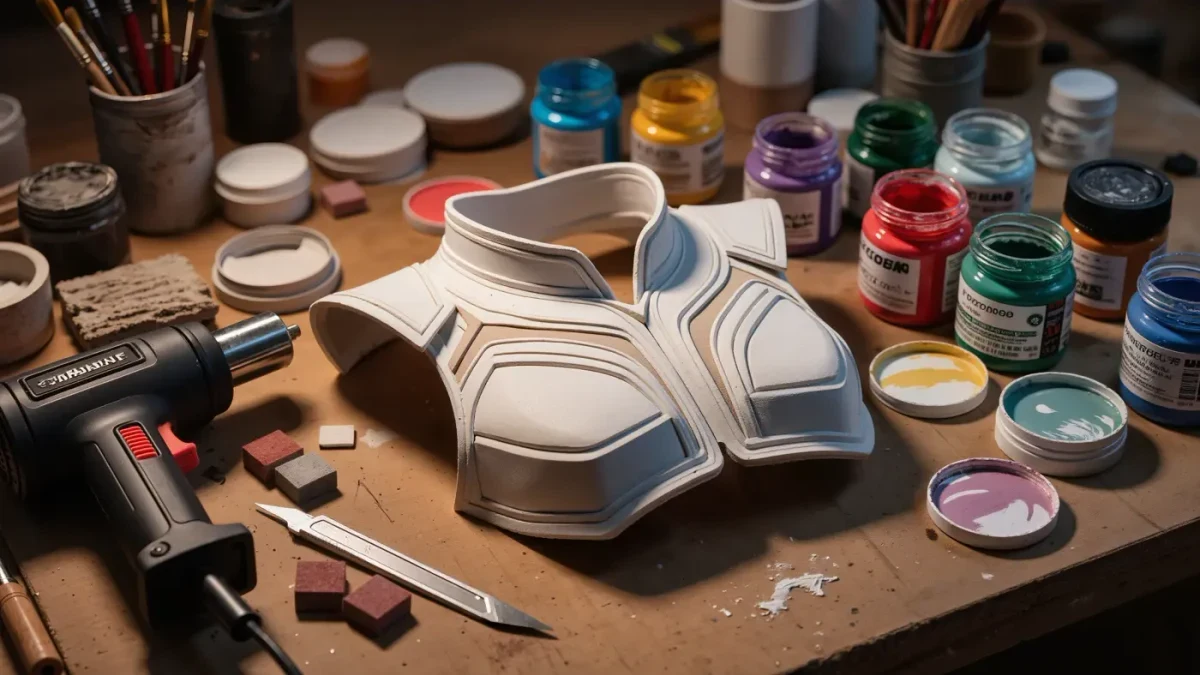
- The maker economy. Online tutorials, 3D printing, foam-smithing techniques and commission marketplaces professionalized craft — and streaming platforms turned top cosplayers into entertainers with followings that mainstream media, the BBC's culture coverage among them, began profiling in the 2010s.
Is cosplay a profession now?
For a small tier, yes — and that is the genuinely new part since the 2010s. Professional cosplayers earn through commissions, sponsorships, convention guest appearances, pattern sales and tutorial content. Below that tier sits a large semi-pro economy: armorers, wig-stylists, photographers and prop-makers whose services support thousands of hobbyists. And below that, the base layer remains what the masquerade always was: fans making things themselves, at every budget, for the joy of being seen as a character they love. The professional scene is the peak of a very wide pyramid, not a replacement for it.
What do competitions actually judge?
Craft, mostly. Major convention masquerades and cosplay championships judge construction quality, accuracy to reference material, stage presentation and workmanship, often with divisions separating novices from masters so beginners compete fairly. The international circuit — national championships feeding world finals at major conventions — treats cosplay as a maker discipline closer to fashion and prop-making than to dressing up. That is the cultural shift in miniature: what began as parade spectacle now has rubrics, portfolios and judging criteria.
Why does it matter to comics and games fans?
Because cosplay changed the relationship between audience and story. Reading and watching are private; costuming is public declaration. It gave fandom a physical, creative, communal practice — one that raises the visibility of characters, sustains conventions, and feeds skills from sewing to electronics back into the maker world. A hobby that began with a handful of fans gluing cardboard now shapes convention economics, employs thousands of craftspeople, and introduces new audiences to the characters comics readers have loved all along. The hall costume you compliment on a Saturday afternoon is the latest branch of a tradition older than the word for it.