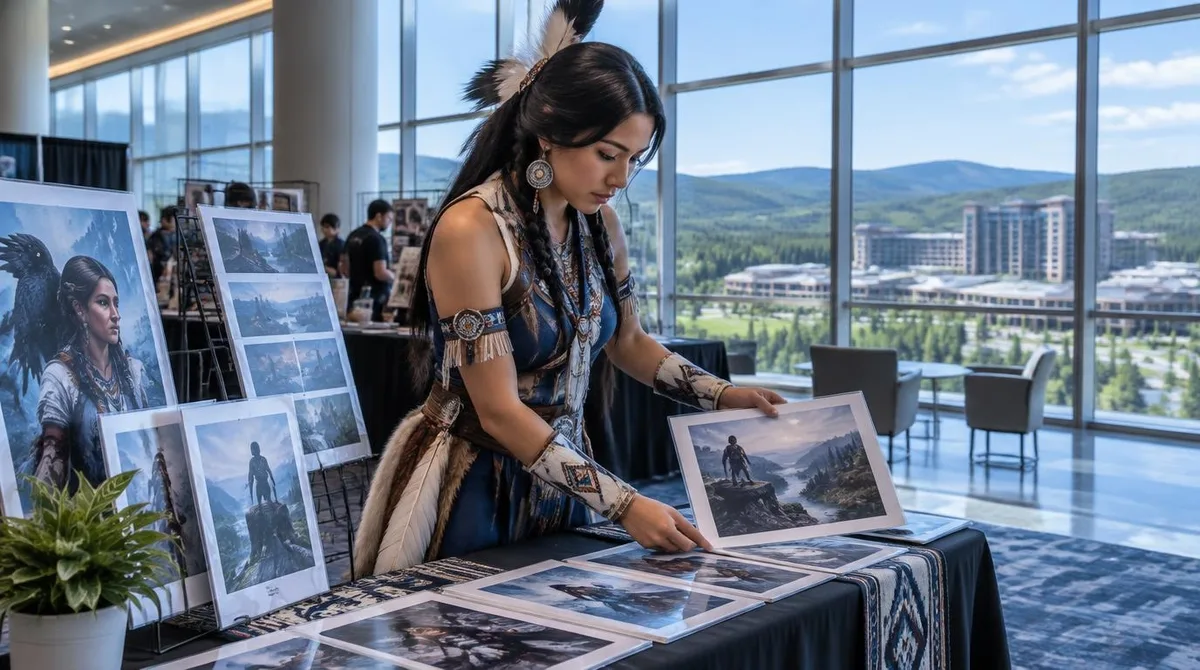
SkasdiCon Vol. V brought more than 60 Indigenous artists, filmmakers, cosplayers and fans to the Chota Conference Center at Cherokee Casino in Tahlequah, Oklahoma, on Saturday, per KOKI FOX 23. It was the fifth annual edition of the event, which celebrates Native influence and representation in popular culture.
The numbers that matter most for readers deciding whether this kind of convention is worth a trip: the event was free, it was family-friendly, and it has now run five years in a row — no admission cost and a repeat track record. For related coverage, see Convention Etiquette — Fandom Etiquette: A Guide to Conventions Done Right. This connects to our earlier piece, Convention Etiquette — Fandom Etiquette: A Guide to Conventions Done Right.
For context on how the event is structured, its Saturday lineup centered on screenings, panels and a cosplay competition, with interactive gaming and special guest appearances rounding out the day, according to KOKI FOX 23. If you are weighing a first convention trip, our practical survival guide covers what to expect from the hall-floor basics; SkasdiCon's model shows how much a convention can accomplish without a large commercial floor. This connects to our earlier piece, Your First Comic Convention: A Practical Survival Guide.
What actually screened — and why it matters
The headline programming was dubbing. Screenings included the first two episodes of "The Lord of the Rings: The Rings of Power" and the feature film "How to Train Your Dragon," both dubbed in Cherokee, according to the station's report. Four animated short films produced by Cherokee Film also ran throughout the day: "Groundhog Dance," "Redman and Uktena," "Birds and Animals Ballgame" and "Spearfinger."
That is a specific, countable investment in Cherokee-language screen work: two dubbed major-studio titles and four original animated shorts in a single day's program. "Through these screenings, we're demonstrating how film can be a powerful tool for language revitalization, connecting Cherokee citizens to our language in new and engaging ways," said Jen Loren, senior director of Cherokee Film, in the report.
The dubbing choice is the detail worth sitting with. Dubbing familiar mainstream titles into Cherokee meets audiences where they already are — inside franchises they know — while the original shorts build a pipeline of Native-made animation. Readers following how animation increasingly carries language and cultural work can track the wider field in our animation coverage.
What the panels covered
Panel discussions gave attendees a look behind the work. Topics included the dubbing process itself, language animation, Native horror stories and other subjects, per the report. That is a practical spread: one panel explains how a dubbed show gets made, another covers how animation is used for language teaching, and the horror panel points to a genre where Native storytellers have a growing screen presence.
For cosplayers, the event included a competition — one of the three main pillars of the day alongside screenings and panels. Cosplay's move from niche hobby to convention centerpiece is a story we have followed in how cosplay went from convention hall to mainstream, and a Native-focused cosplay competition adds a layer those broader histories rarely capture.
Who organized it and what it is for
Jessica Pratt, cultural tourism coordinator, framed the event's purpose in the report: "SkasdiCon is a celebration of the Indigenous creativity and talent that brings our communities together through art, cosplay and fandom."
The framing matters. SkasdiCon is positioned as cultural tourism — an event that draws visitors to Tahlequah and the Cherokee Nation while serving the local community first. The station's report describes the event as highlighting "the growing presence of Indigenous voices in film, animation, gaming and other areas of popular culture while providing a space for Native artists and fans to connect and celebrate shared interests."
That dual function — community gathering and visitor draw — is the pattern civic watchers of convention towns will recognize. A free, family-friendly event lowers the barrier for local families; the film program gives out-of-town fans a concrete reason to attend; the casino venue provides the space. Five consecutive years suggests the formula holds.
Why this convention matters beyond Oklahoma
The fifth annual SkasdiCon lands at a moment when Native representation in genre media is visible on multiple fronts — dubbed blockbusters, original animation, horror storytelling and gaming, all named in the event's own programming. A convention that gathers more than 60 Indigenous creators and fans in one room is a measurable signal of that presence, however local its scale.
What the evidence does not yet show: attendance totals beyond the "more than 60" participants figure, whether the event plans a sixth year, or what the cosplay competition's winners were. Those gaps are worth noting because they are the numbers that would let readers compare SkasdiCon's growth year over year. For now, the verifiable record is the program itself: two Cherokee-dubbed screen titles, four Cherokee Film shorts, panels on dubbing and language animation, a cosplay competition, gaming, and free admission — a full day built around Native influence on pop culture, as reported by KOKI FOX 23.